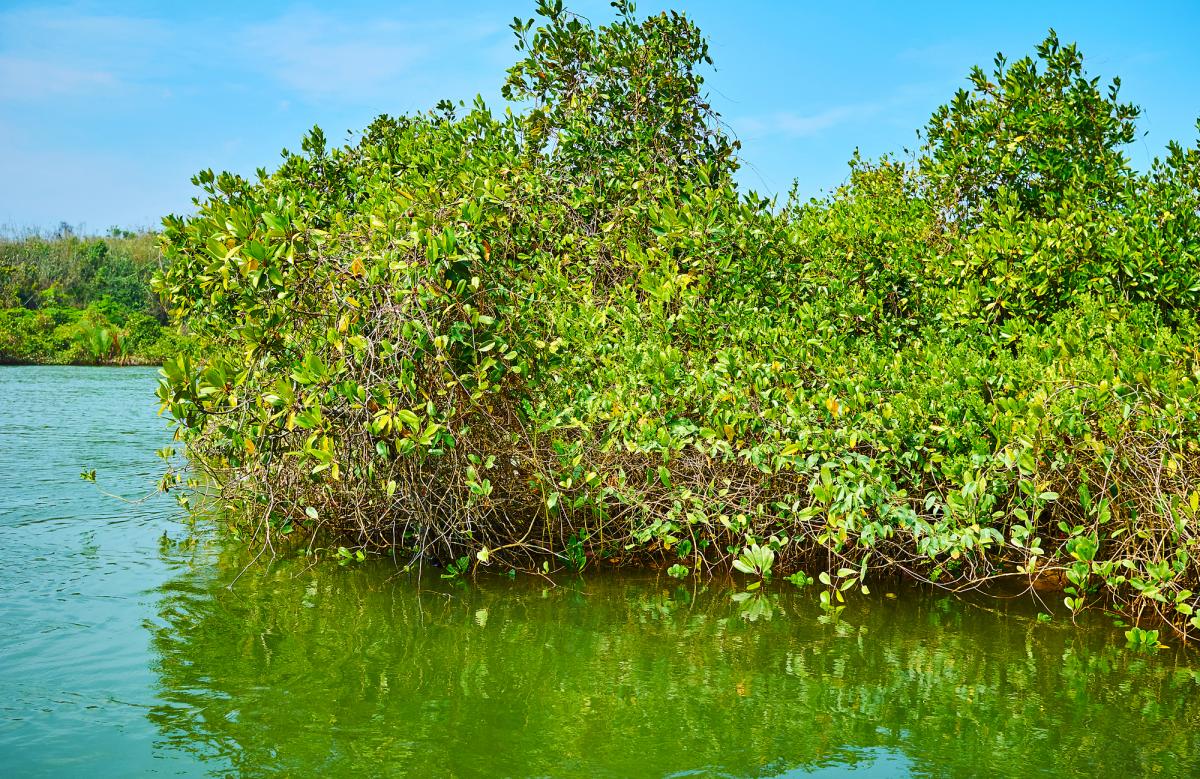
China restores mangrove forests to boost coastal biodiversity
Headline and summary by local AI
Researchers at Ningbo University analyzed how China restored its coastal ecosystems and increased bird populations over a 22 year period.
The study examined five coastal provinces in China, along with Hong Kong and Macau, using more than 13,000 satellite images from 1998 to 2020. The Chinese government adopted a conservation plan in 2000 following the large scale destruction of mangrove forests. This plan successfully expanded the forest area to approximately 28,000 hectares by 2020.
The most rapid growth occurred between 2003 and 2008, when the area increased by 4,558 hectares in just five years. The restoration efforts led to a nearly threefold increase in bird species, rising from 148 to 397. Scientists say the denser forests improved water chemistry and nutrient distribution, which fostered phytoplankton growth. This supported a larger population of fish and shrimp, providing more food for birds.
The thicker vegetation also offered more nesting and resting sites, while the average vegetation cover increased from 31% to 38%.
Selected and summarized by local AI How we work
Recovery: Ecosystems recovering, species returning, nature thriving or newly found, and protection already in force.