Researchers pinpoint the fall of ancient Babylon to 1587 BC
Headline and summary by local AI
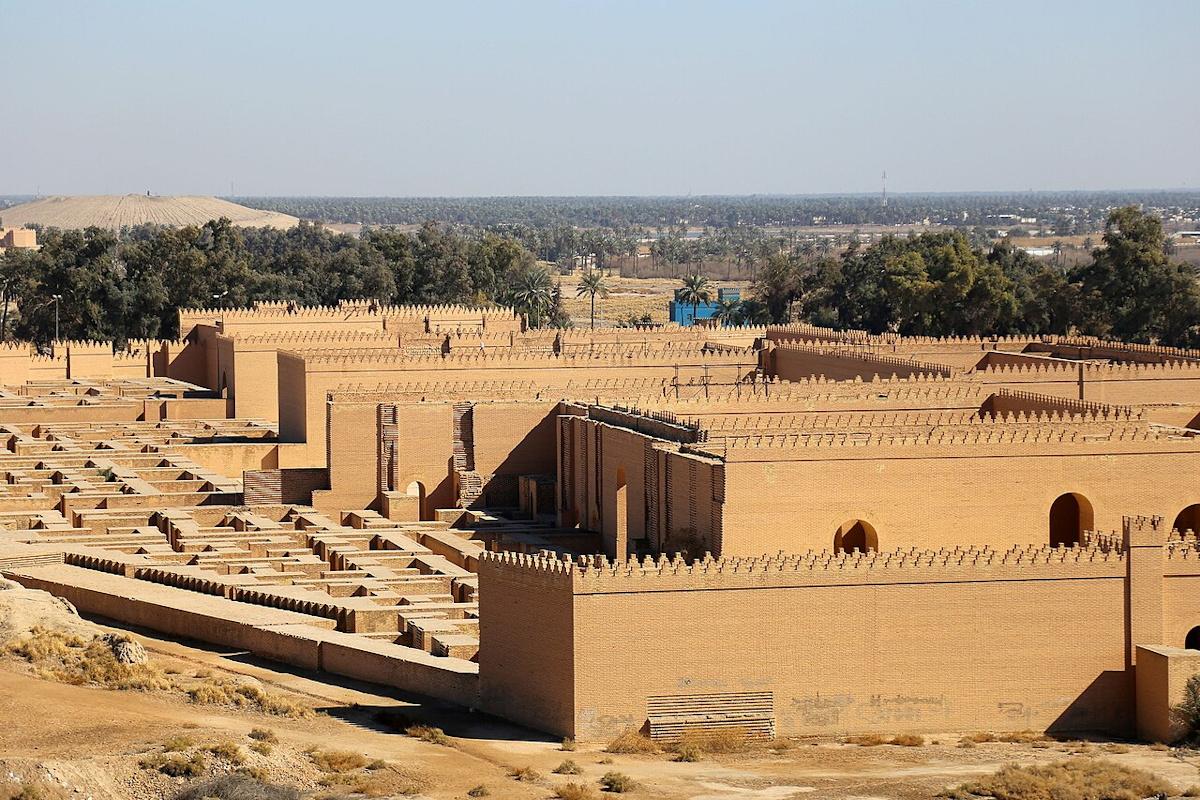
A team of international researchers determined that the ancient city of Babylon fell in approximately 1587 BC.
The group combined radiocarbon dating of wood, archaeological evidence, and historical records of volcanic activity to resolve a long standing debate over the timeline of Mesopotamian history. Charlotte Pearson and her team from the University of Arizona analyzed wood from archaeological sites in Anatolia, a region in modern day Turkey.
They measured radiocarbon content in individual annual rings to establish a chronology spanning from 2072 to 744 BC. This process allowed the team to date the construction of two palaces to approximately 1837 to 1836 BC and 1778 BC by comparing the wood to Assyrian calendar documents. The researchers also cross referenced Babylonian observations of the planet Venus with records of volcanic eruptions.
They identified a match with a major eruption of the Aniakchak volcano in Alaska around 1628 to 1627 BC, during which atmospheric dust likely obscured the planet. By synthesizing these various data points, the team concluded that a middle low chronology best fits the evidence. The study also revealed a prolonged drought in the region between 1228 and 1188 BC.
The researchers suggested that these climatic issues may have contributed to the collapse of the Hittite Empire, as the capital city of Hattusa was looted and burned two years after a particularly severe drought in 1194 to 1192 BC.
Selected and summarized by local AI How we work
Discovery: Archaeology, new knowledge of art, culture and history, forgotten history uncovered, something lost restored.
More in Discovery

Wet climate helped corn spread to Mexican highlands and crossbreed
phys.org · 16 Nov 2026

Researcher documents Portuguese women who published cookbooks from 1894 to 1967
cmjornal.pt · 22 Nov 2026

Better nutrition changed human height across Asia and Europe over 7,000 years
lavanguardia.com · 17 Nov 2026