Danube river yields ancient iron ingots once used to arm an army
Summary and headline written by AI from the source article. How we work
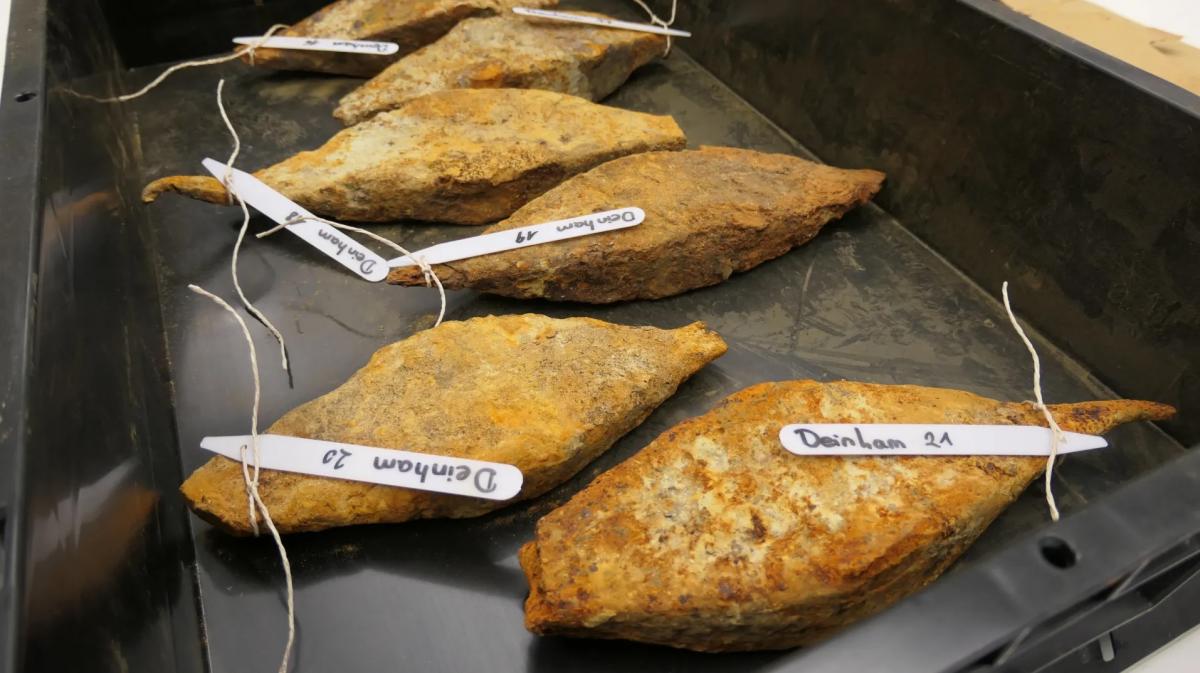
Archaeologists working in Austria discovered 500 ancient iron bars at the bottom of the Danube River, forming the largest collection of prehistoric iron ever found in Europe.
Workers extracting gravel near the village of Deinham first spotted the unusual metal objects in 2019 and alerted authorities. Peter Trebsche, an archaeologist at the University of Innsbruck, described the find as remarkable, noting its preservation from metal scavengers.
Trebsche and co-author Marion Beranger, an archaeologist at the Belfort-Montbéliard University of Technology in France, detailed their analysis in a study published September 21 in the journal Antiquity. The team identified 193 complete iron bars and 307 partial bars, averaging 28.5 centimeters in length and 2 kilograms in weight, for a total weight of nearly one ton. These bars date back to the 3rd and 2nd centuries BCE.
The iron bars were not finished products, but rather semi-finished billets intended for forging into other items. Trebsche estimates that the iron from the collection could have been used to create around 500 swords, enough to equip a substantial fighting force. While the archaeologists could not determine how the iron ended up in the river due to disturbance from gravel mining, they suggest it was likely lost during transport, though ritual deposition remains a possibility.
The discovery indicates increased iron production capacity in the Danube region during the Late Iron Age.