Old cemeteries become biodiversity refuges in Ukraine
Headline and summary by local AI
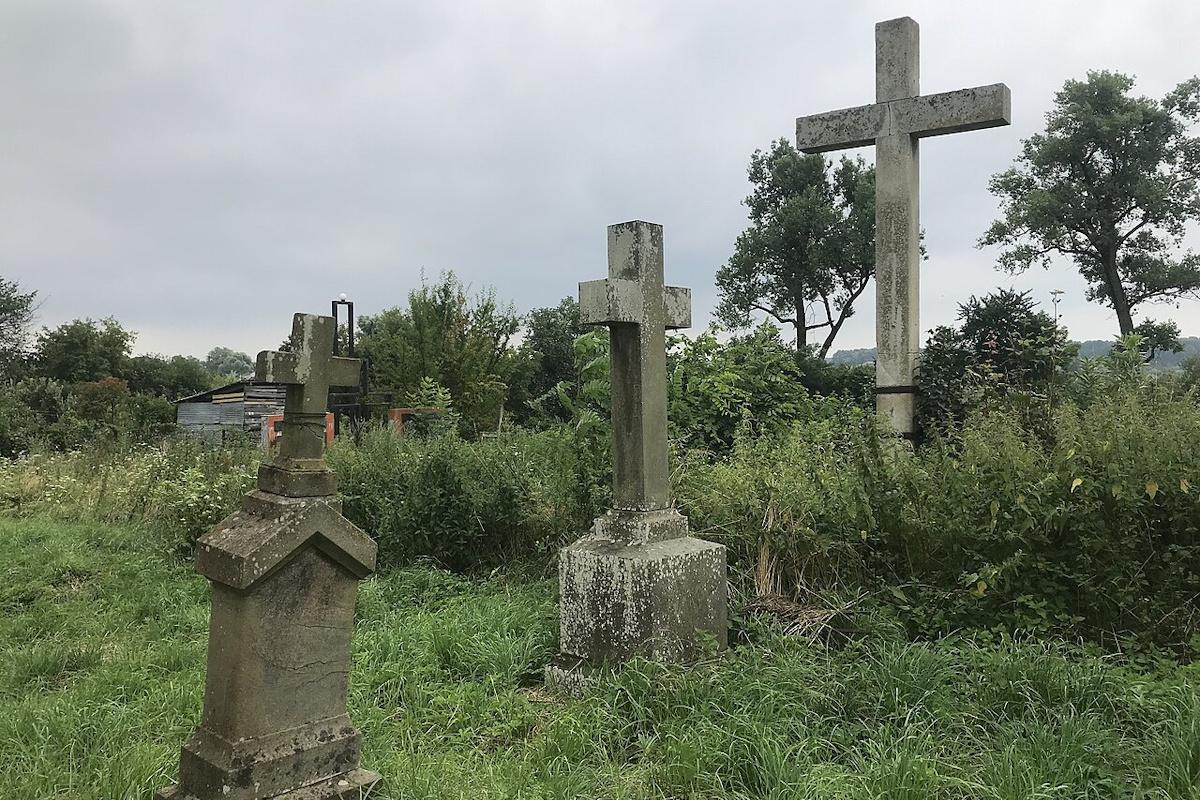
Scientists from the Askania-Nova Biosphere Reserve and the Ukrainian Nature Conservation Group are studying old cemeteries in southern Ukraine and the Chornobyl exclusion zone as unique ecological sanctuaries.
These sites have become important habitats for rare and protected flora because the surrounding lands have been largely plowed for agriculture. Researcher Nadiya Skobel reported that a study of 50 cemeteries in the Right-Bank Fescue Steppe revealed over 700 plant species.
More than 60 of these species have a protected status, including feather grass and spring peony. Skobel noted that only about 1 percent of the steppe remains untouched by human activity. The researchers observed that abandoned sites often support better vegetation recovery than those that receive regular maintenance or decorative planting. In the Chornobyl exclusion zone, Ivan Moysienko and his team examined 24 cemeteries that ceased normal operation following the evacuation of the population.
This lack of human interference allowed them to record over 400 plant species and various aged trees. The team found a living oak with a circumference of 446 centimeters and a dead oak measuring 510 centimeters. The scientists also identified old pines, pears, and several protected plant species. The researchers plan to continue monitoring these sites three times a year to track seasonal blooming and growth.
Beyond biology, the Chornobyl sites hold cultural artifacts, including ten small mounds that Ivan Moysienko believes may date back to the era of Kyivan Rus. In the Volyn region, three oaks aged between 600 to 800 years remain on the ruins of an 11th-century fortress in Horodyshche.
Selected and summarized by local AI How we work
Discovery: Archaeology, new knowledge of art, culture and history, forgotten history uncovered, something lost restored.