Scientists find Ethiopian water mouse thought extinct for nearly a century
Headline and summary by local AI
Ecologist Mengistu Wale and colleagues from the Ethiopian Institute of Biodiversity captured a living Ethiopian water mouse in Ethiopia.
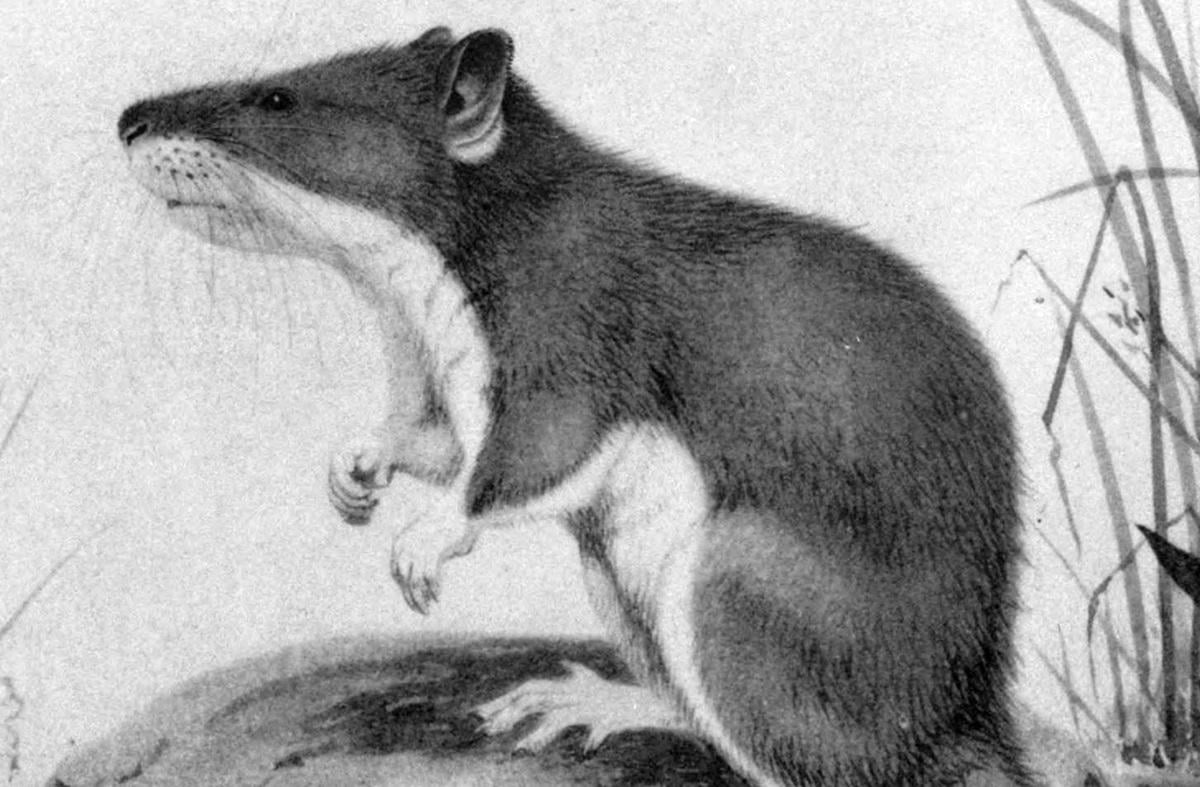
The rodent, known as Nilopegamys plumbeus, was first discovered in 1927 and described in 1928. For many years, researchers believed the species had died out. Wale first spotted the large rodent with round eyes in a trap and identified it based on distinct white spots on its ears. He and his team later caught two more individuals.
These animals possess thick, silky fur that allows them to float and wide hind feet that act like fins. While researchers believe the mouse eats insects and possibly fish, Wale managed to catch the animals using peanut butter. The discovery occurred in a transition zone of the Yayu Coffee Forest biosphere reserve in southwestern Ethiopia. This location surprised experts because the species was previously only known from northern Ethiopia. Scientists are currently conducting genetic tests to confirm the identification.
This finding suggests the Ethiopian water mouse might be less vulnerable to human activity than experts previously assumed.
Selected and summarized by local AI How we work
Discovery: Archaeology, new knowledge of art, culture and history, forgotten history uncovered, something lost restored.


