Ancient Egyptian curse ritual dates back 3400 years
Headline and summary by local AI
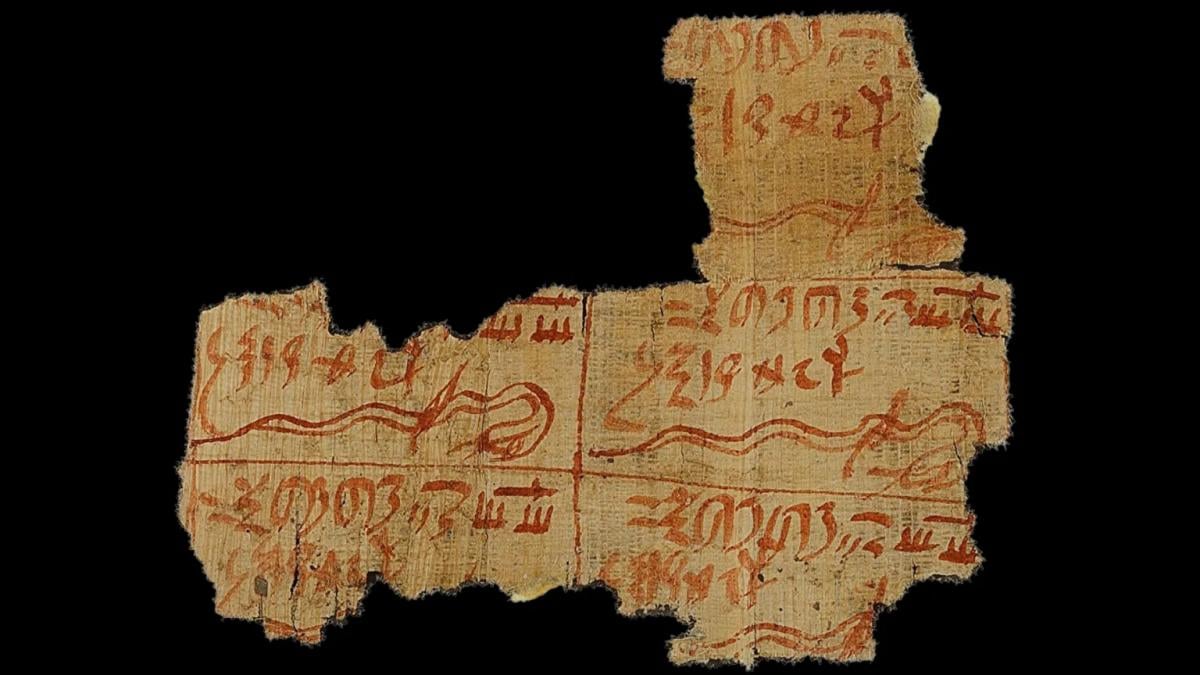
Researchers identified 40 charred papyrus fragments in waste heaps from 3400 years ago to reveal the history of a specific Egyptian curse ritual.
The fragments, which are roughly the size of a postage stamp, were discovered in the ruins of temples in Thebes, Egypt. The study, published in the Journal of the Egyptian Language and Antiquities, shows that the "Ritual of Apophis" was a common part of Egyptian culture much earlier than previously believed.
This ritual was originally created by priests to help the sun god Ra defeat Apophis, a serpent deity representing chaos and darkness. Over time, people used the ritual to curse the enemies of the pharaoh or to seek protection against snake-related dangers like venom or bad weather. The discovery changes the understanding of who performed these magic rites.
While experts once thought only priests could perform the ritual, the new evidence suggests a wider audience of literate people had access to it. These individuals acted as magicians or healers to protect others or harm enemies. To complete the curse, participants had to perform specific actions like stepping on the papyrus, stabbing it with a knife, and spitting on it before burning it.
Fredrik Hagen, an Egyptologist from the University of Copenhagen, noted that the ritual was an integral part of Egyptian culture during the New Kingdom, at least 1000 years before the last known complete manual of the ritual was written. The fragments provide a rare look at these practices because the ritual required the intentional destruction of the materials by fire.
Selected and summarized by local AI How we work
Discovery: Archaeology, new knowledge of art, culture and history, forgotten history uncovered, something lost restored.
More in Discovery

Ibn al-haytham revolutionized optics and established the scientific method
alhurra.com · 20 Nov 2026

Workers experience injury as a web of physical and bureaucratic pain
pubmed.ncbi.nlm.nih.gov · 17 Nov 2026
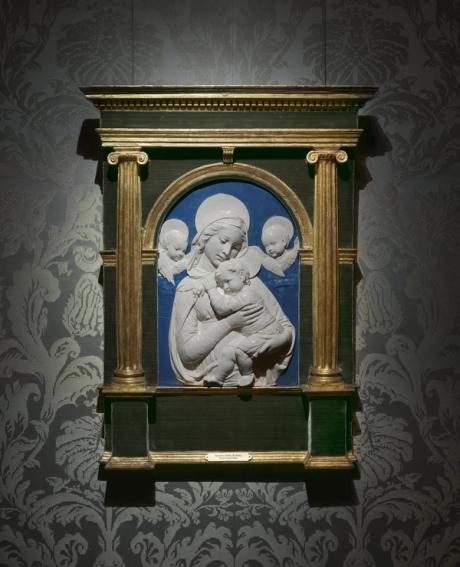
Frick Collection reattributes 15th century sculpture to Andrea della Robbia
theartnewspaper.com · 18 Nov 2026