Archaeologists discover logistics of a 15th century city in Lanzarote
Headline and summary by local AI
Archaeologists from the University of Las Palmas de Gran Canaria and the University of La Laguna uncovered evidence of how a 15th century settlement survived in a water scarce region of Lanzarote.
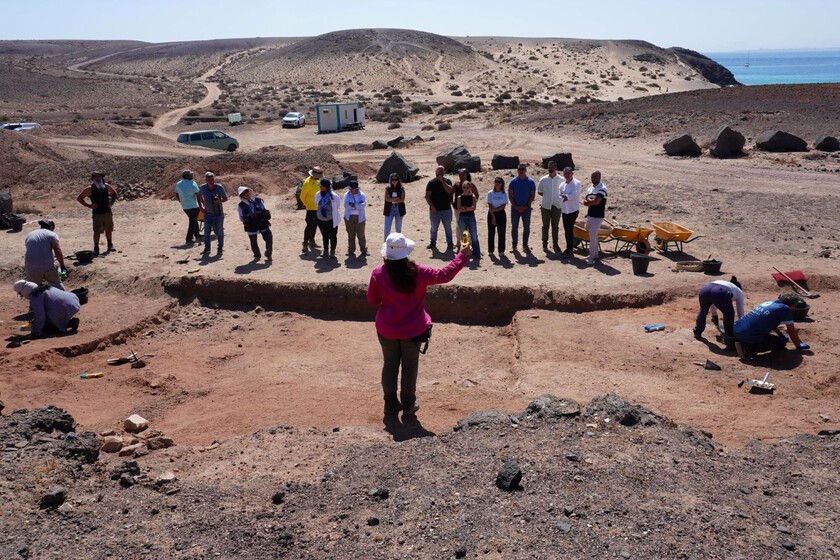
Researchers working on the Proyecto Rubicón identified infrastructure including water wells, a lime kiln, and a warehouse that supported the first European city in the Canary Islands.
The site, known as San Marcial de Rubicón, was established around 1402 by French nobles Jean de Béthencourt and Gadifer de La Salle. These explorers sought to colonize the islands, establishing a settlement where they could manage a small society despite the lack of rivers or abundant springs. The current team found that the settlers used specific engineering techniques, such as lime mortar and sand to build vaulted wells and ramps for livestock.
The excavation also revealed a lime kiln, the first of its kind found on Lanzarote, which allowed the settlers to produce the materials needed for construction. Researchers also discovered coins from the reign of Enrique III of Castile, which represent the first known circulation of money in the islands. The presence of both indigenous and colonial pottery suggests that the settlers lived alongside the local population.
The team estimates that the city was much larger than the dozen houses currently excavated. While the settlement was eventually abandoned as residents moved to Teguise to escape pirates, the discovery provides a clearer picture of how these early inhabitants managed resources and built a permanent home in a dry environment.
Selected and summarized by local AI How we work