Chilean rural community restores water sources through forest conservation

Headline and summary by local AI
The Mashue rural community, which includes 226 families in the Los Ríos Region of southern Chile, established a system to restore local forests and manage water resources.
The community faced a severe water crisis in 1998 when their traditional wells dried up completely. This shortage resulted from industrial forestry practices that replaced native forests with fast-growing pine and eucalyptus trees, which depleted underground water reserves. To solve the crisis, the community formed a Rural Potable Water Committee (CAPR) in 2013.
They purchased strategic land from a forestry company and secured protected status for 80 hectares of native forest. They also transitioned to agroecology by replacing chemical fertilizers with organic biofertilizers produced in a local biofactory. The community members now manage a self-funded restoration project to heal the soil and regrow native vegetation in degraded ravines. The residents implemented a pioneering payment for ecosystem services.
Each member pays a small fee on their water bill to fund forest restoration and infrastructure maintenance. This fund supports the restoration of native forests and pays staff to manage the water system. Local residents also conduct regular hydrological monitoring, measuring water flow and soil moisture to track the progress of their conservation efforts.
Selected and summarized by local AI How we work
More in Recovery

Cornwall Wildlife Trust discovers hundreds of seagrass shoots in Fowey Estuary
bbc.co.uk · 8 Nov 2026
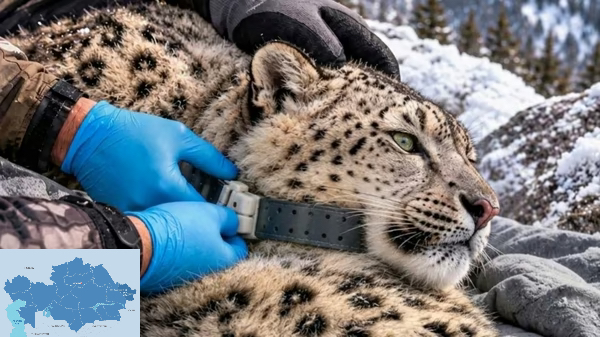
Kazakhstan snow leopard population Doubles as scientists track Altai
astanatimes.com · 8 Nov 2026

Researchers quantify biodiversity credits for tigers and leopards in China
frontiersin.org · 10 Nov 2026