Northumbria kingdom chose copper coins over abundant silver reserves

Headline and summary by local AI
Researchers from the University of Durham discovered that the Anglo-Saxon kingdom of Northumbria deliberately chose to mint copper alloy coins despite having large reserves of precious metals.
This region, which covered much of modern-day northern England and southern Scotland, behaved differently than neighboring territories during the Early Middle Ages. Historians previously believed that constant Viking raids during the 8th and 9th centuries depleted the kingdom's wealth. They assumed rulers were forced to use copper because silver and gold became scarce.
However, Dr. John Luke Carson analyzed all gold and silver objects found in the kingdom from the 9th century to determine the actual availability of these metals. The study revealed that Northumbria actually possessed significant amounts of silver and gold during this period. Instead of a forced economic move, the kingdom likely chose to lower the silver content of its currency to create more affordable coins.
These copper alloy coins were minted in higher quantities to facilitate daily transactions for a larger portion of the population. This shift allowed the king to tax growing minting activity while providing economic and social benefits to common people.
Selected and summarized by local AI How we work
More in Discovery

Archaeologists identify forgotten queen and discover hundreds of mummies in Egypt
unian.ua · 8 Nov 2026
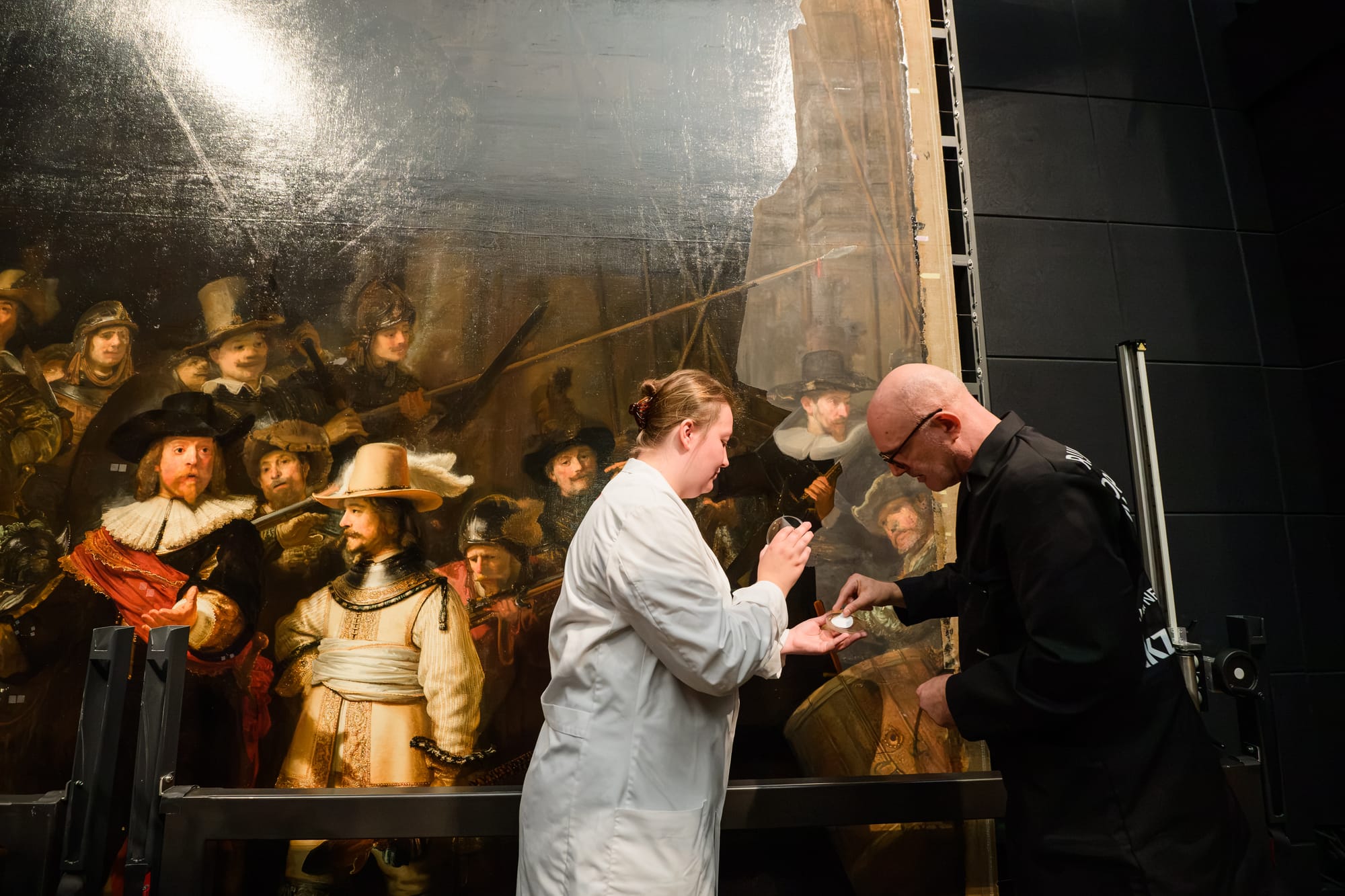
Scientists study microbes on Rembrandt's Night Watch painting
hyperallergic.com · 12 Nov 2026

Sor Juana Inés de la Cruz defended women's right to education in 17th century Mexico
aristeguinoticias.com · 12 Nov 2026