Cantabrian artisan preserves woodcraft tradition
Summary and headline written by AI from the source article. How we work
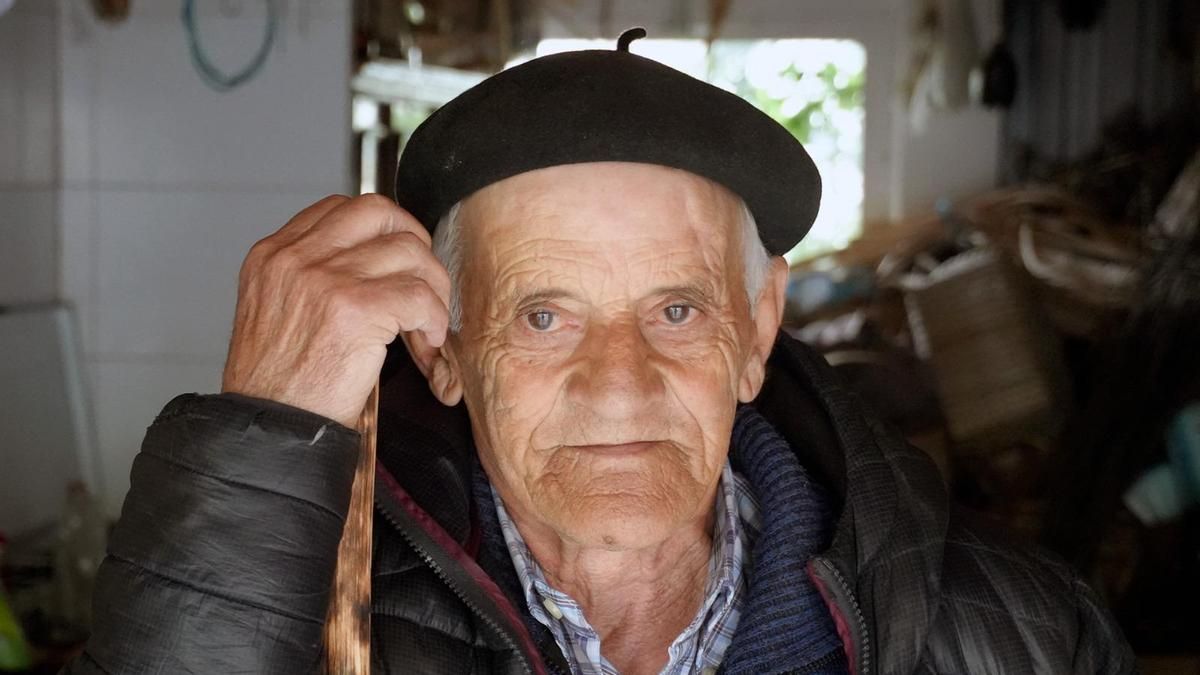
Tomás Mantecón Pelayo, born in Riolangos, Spain in 1940, has spent his life practicing the traditional craft of making cuévanos, wooden frames used for carrying goods, in the Valles Pasiegos region of Cantabria. He learned the skill from his father and grandparents, who also relied on it to support their families alongside farming and livestock.
The Mantecón family, like many in the area, lived a nomadic life following their cattle to different pastures throughout the seasons, and the cuévanos were essential for transporting everything they needed. Tomás began selling his cuévanos as a child to earn money during the construction of a nearby tunnel, and continued the practice throughout his life, supplementing his income from cattle farming.
He combined this work with school and military service, and later with raising a family in San Pedro del Romeral. Life was often difficult, marked by scarcity and demanding physical labor, but the family persevered through farming, small trades, and the making of cuévanos. Though he retired at 65, Tomás continued working with cattle for several years.
He acknowledges that his craft is dying out, with few remaining artisans and no clear successors to carry on the tradition, but views it simply as the work that sustained his life and family. He sees a future where this way of life disappears, reflecting a changing landscape in the Valles Pasiegos.