Isolated cattle survived for 130 years, fascinating scientists
Summary and headline written by AI from the source article. How we work
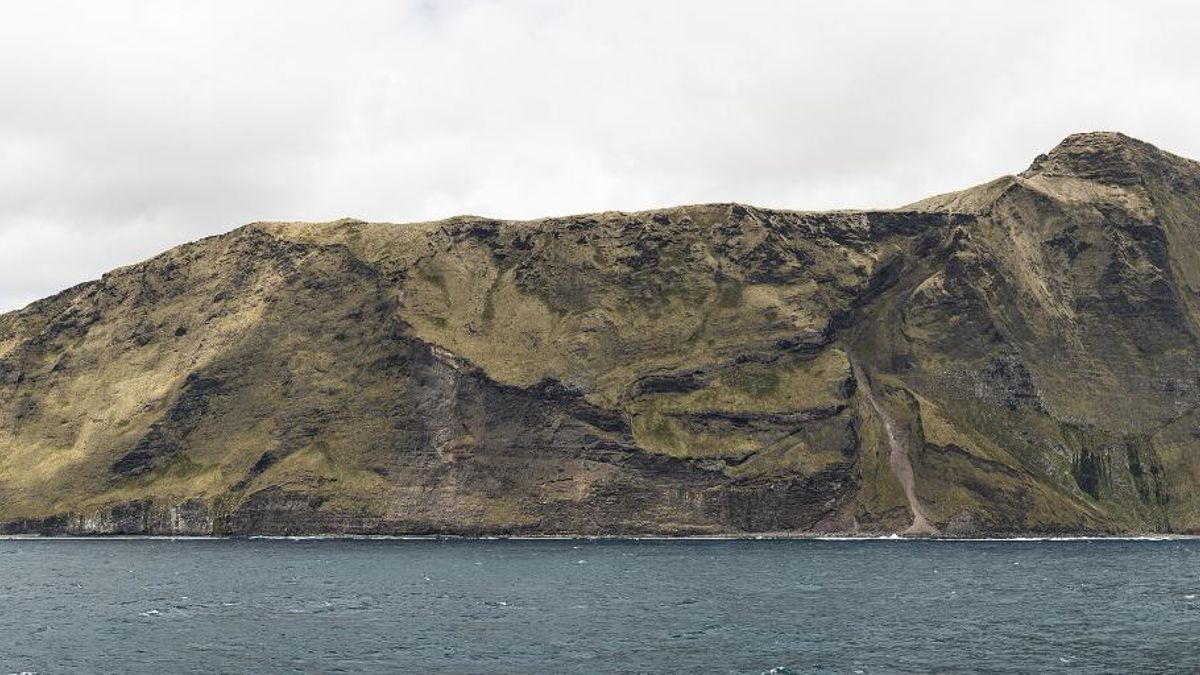
On Amsterdam Island, a remote French territory in the Indian Ocean, cattle descended from five animals abandoned in 1871 survived independently for 130 years.
A farmer named Heurtin brought the cattle to the island hoping to establish a colony, but he left after a few months, leaving the animals behind. Over time, the cattle population grew to around 2,000 despite the harsh environment and complete lack of human care.
Researchers studying the cattle’s genetics discovered the original animals came from two distinct sources. Approximately 75% of their genetic makeup originated from European cattle related to the Jersey breed, while 25% came from zebu cattle from the Indian Ocean region, specifically Madagascar and Mayotte. This initial diversity likely contributed to their ability to thrive.
However, the isolated population eventually threatened native species like the Amsterdam albatross and the Phylica arborea tree, leading authorities to remove and then eliminate the cattle between 1988 and 2010 as part of an ecological restoration project. Fortunately, scientists had collected biological samples during earlier expeditions, allowing them to study the cattle’s genetic history after their extinction.
Analysis of these samples revealed the cattle did not shrink in size due to island dwarfism as previously thought, but rather that the original animals were already relatively small.


