Ancient Roman baths unearthed in Gijón, Spain
Summary and headline written by AI from the source article. How we work
Archaeologists in Gijón, Spain, have revealed the remains of Roman baths at Campo Valdés, a site hidden from the public until 1965.
Initial discoveries occurred in 1903 during sewer construction near the church of San Pedro, leading to early excavations by Calixto Alvargonzález and Julio Somoza. However, the project stalled and the site fell into disrepair for decades.
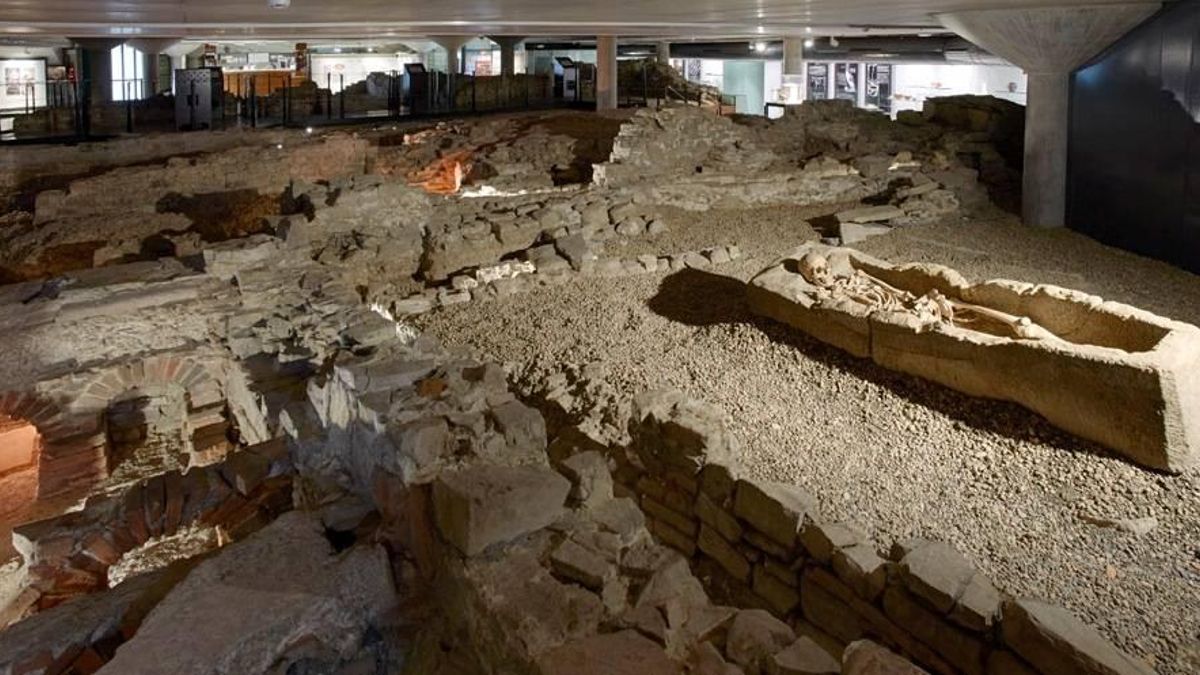
After the Spanish Civil War, debate arose over whether to rebuild the damaged church of San Pedro or fully excavate the Roman ruins. The decision to rebuild the church concealed portions of the ancient complex, limiting study of the site. In 1965, greater access was granted, and in 1990, further excavations brought most of the visible construction to light. Today, a museum built underground protects the ruins and offers visitors a unique view of the ancient thermal complex.
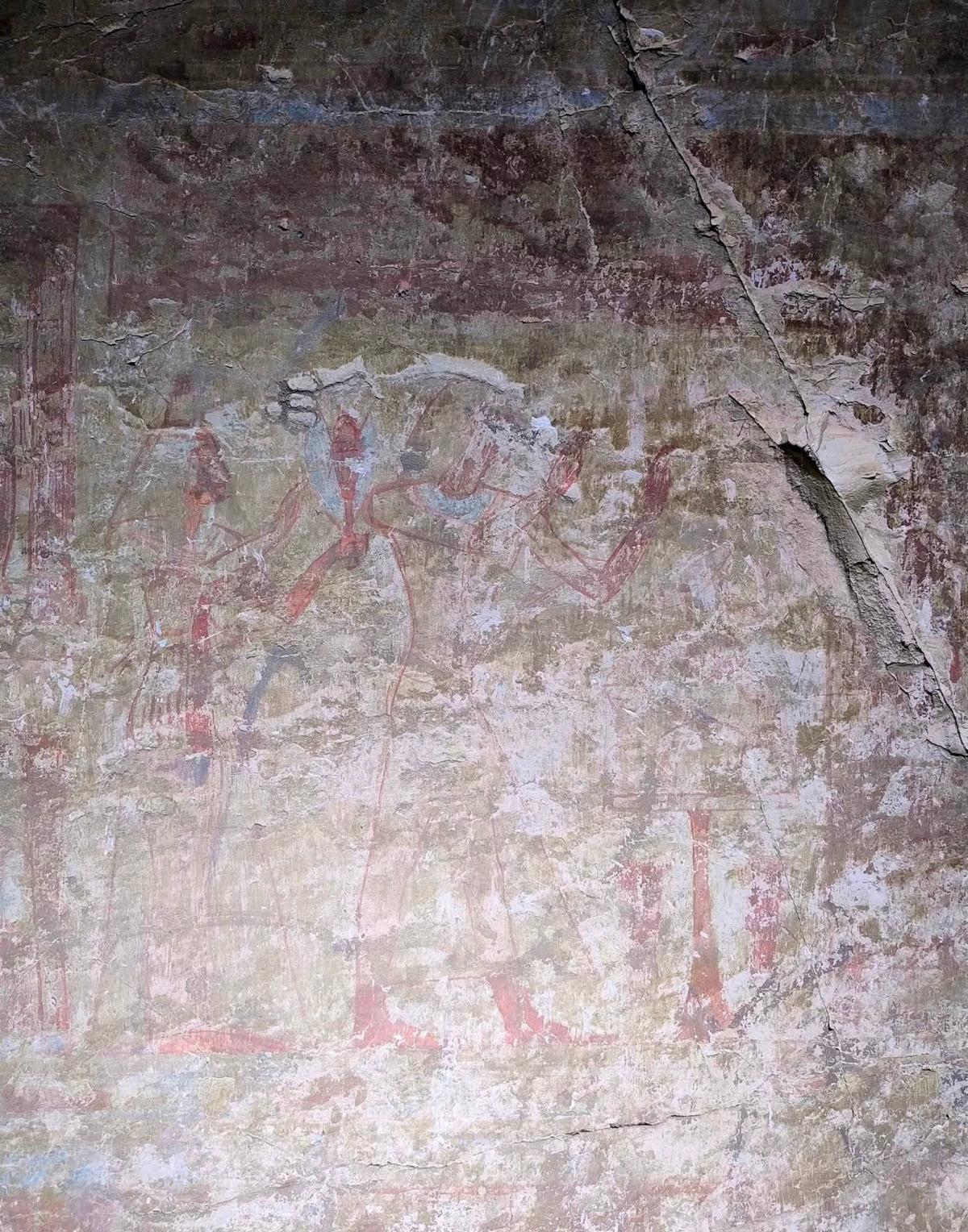
The baths featured a hypocaust heating system using furnaces to circulate hot air under the floors and included rooms for varying temperatures, cold, tepid, and hot, as well as decorative frescoes and artifacts. The site now serves as a key resource for understanding Roman life in the coastal region of Asturias and is recognised as a cultural asset of exceptional importance.