Bolivia restores Andean chapel with murals similar to the sistine chapel
Headline and summary by local AI
Local authorities and the Universidad Católica Boliviana are restoring the colonial Catholic temple of Curahuara de Carangas in the Sajama province of Bolivia.
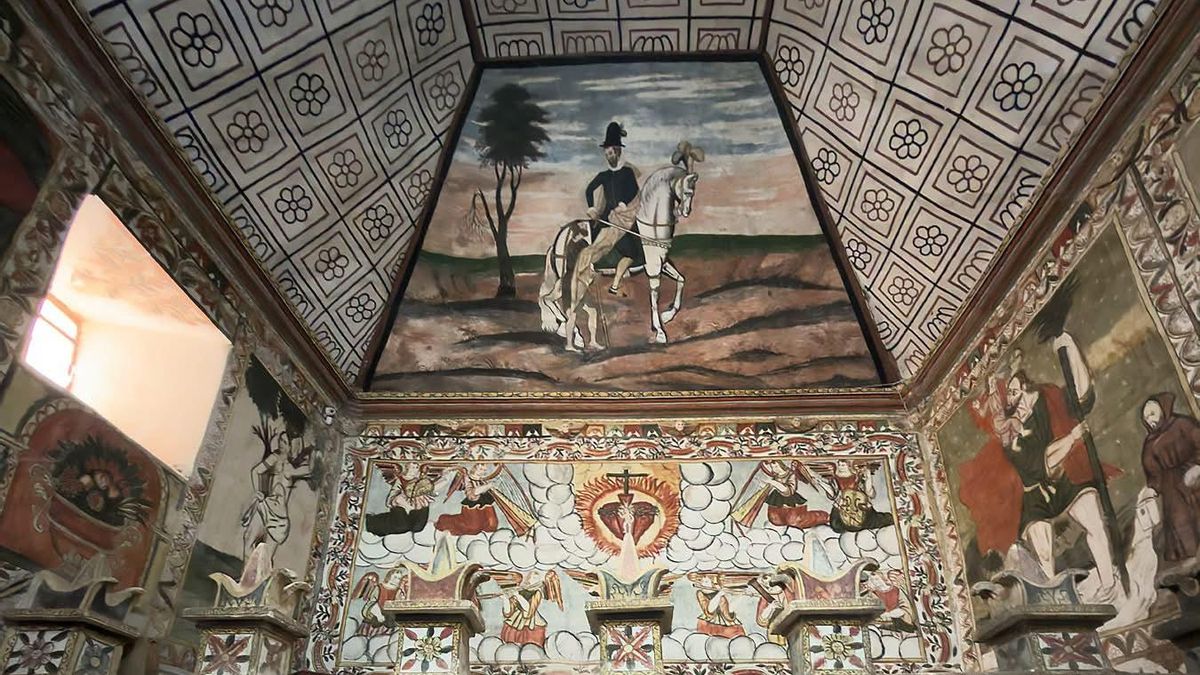
The site is known as the Andean Sistine Chapel because of its extensive mural paintings. The temple was built between 1587 and 1608 at an altitude of 3,898 meters above sea level. While the exterior features simple Renaissance-style architecture made of stone and adobe, the interior contains biblical scenes painted in 1777.
These murals use ochre colors to tell a story of the meeting between Spanish Catholicism and ancient Andean beliefs. The artwork includes symbols of the sun, the moon, and local flora and fauna. The central nave of the church features a representation of the Last Judgment on the ceiling. The artwork depicts the seven capital sins in the corners, including an image of a Spanish soldier representing anger.
The Universidad Católica Boliviana says the site is a relevant example of the country's architectural and artistic heritage. The United States Cultural Preservation Fund is providing 66,240 dollars to fund the current rehabilitation of the temple. This investment aims to preserve the site as a piece of Bolivian cultural identity.
Selected and summarized by local AI How we work