Vermeer’s realism: how the Dutch master may have used a camera obscura
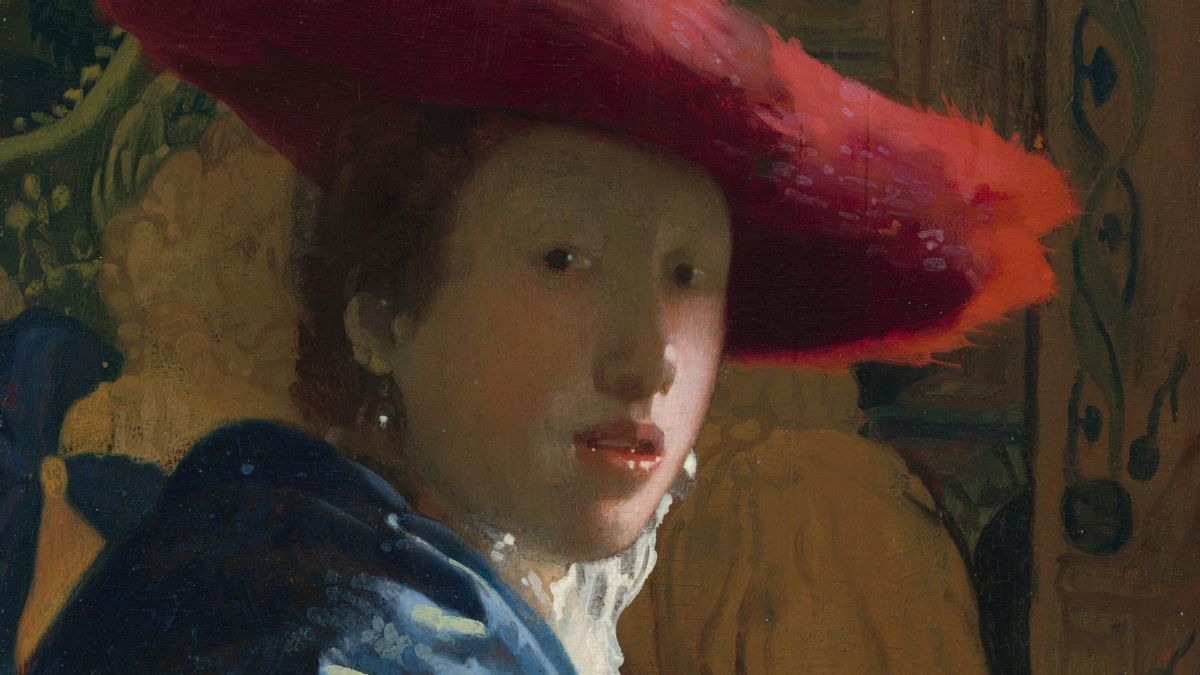
Summary and headline written by AI from the source article. How we work
Experts have long noted the photographic qualities in the paintings of Johannes Vermeer, a Dutch Baroque artist. A new study explores the possibility that Vermeer used a camera obscura, a box with a small hole that projects an image of reality, to achieve the realism and detail visible in his work.
Pennell, an American artist, first suggested a technical basis for Vermeer’s paintings in 1891.
Researchers point to blurred areas and light reflections in paintings like The Milkmaid, as well as precise perspectives and soft edges in works such as The Young Woman with a Pearl, as evidence Vermeer may have relied on optical tools. However, some scholars question this theory, noting a lack of historical documentation confirming Vermeer owned a camera obscura.
They also argue that the dim and blurry projections of early camera obscuras would have made capturing fine details and vibrant colors difficult. Some believe attributing Vermeer’s skill to a device diminishes his artistic talent, suggesting his success came from composition, color, and light, not mere copying. Evidence suggests Vermeer may have combined the optical observations from a camera obscura with traditional geometric techniques, like using a nail and string to establish vanishing points.
Regardless of his methods, Vermeer’s artistic skill continues to fascinate viewers four centuries later.