Spanish find confirms first Diplodocus outside North America
Summary and headline written by AI from the source article. How we work
Paleontologists in Teruel, Spain, identified a Diplodocus, a long-necked dinosaur, from fossils discovered in a 150-million-year-old rock formation.
Researchers from the Fundación Conjunto Paleontológico de Teruel-Dinópolis published their findings in the Journal of Vertebrate Paleontology after recovering 14 tail vertebrae and several chevron bones from the La Tejería site. Previously, confirmed Diplodocus fossils came only from the Morrison Formation in the western United States.
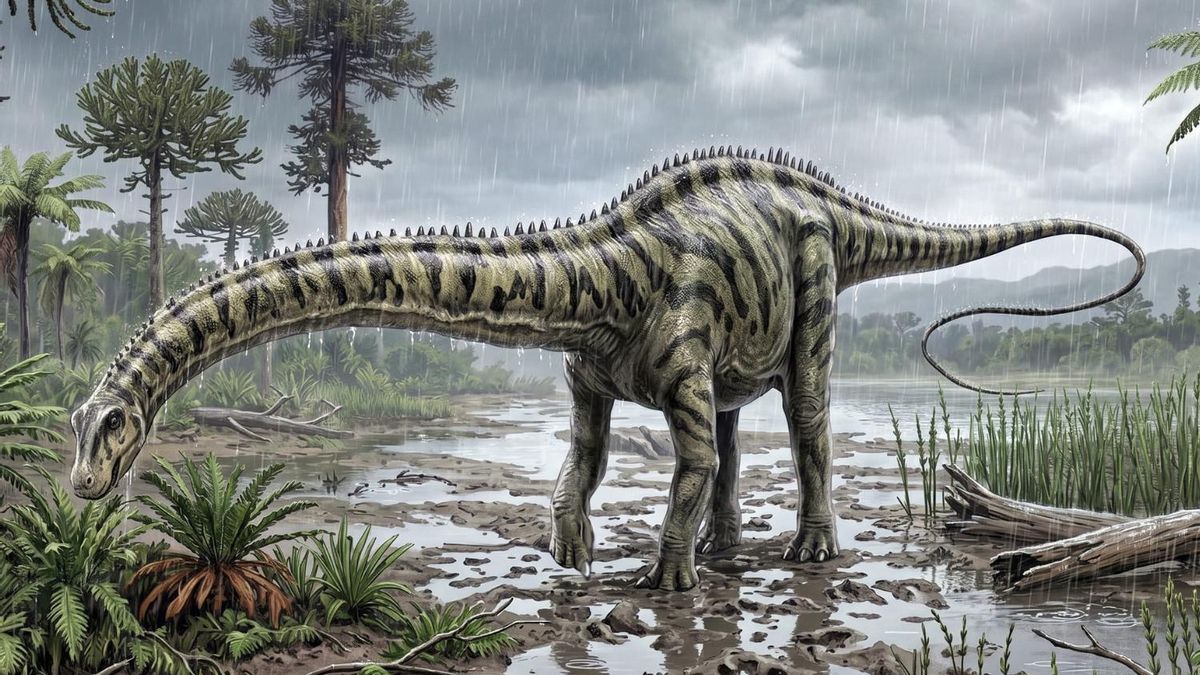
This discovery expands the known geographic range of the Diplodocus, proving the dinosaur also lived on the Iberian Peninsula during the Late Jurassic period. The Spanish specimen shares characteristics with Diplodocus hallorum and reached an estimated length of 25 meters, similar in size to its North American relatives. The find supports the theory that dinosaurs migrated between North America and Europe across a land bridge during the Late Jurassic, between 150 and 155 million years ago.
The area where the fossils were found also contained remains of other dinosaurs, saurpods, theropods, stegosaurs, and ornithopods, suggesting a diverse coastal ecosystem existed in eastern Iberia at the time. The fossils are now on display at the Museo Aragonés de Paleontología in Teruel for ongoing research and public viewing.