Ancient wine presses carved into Spanish hillsides
Summary and headline written by AI from the source article. How we work
In the Rioja Alavesa region of Spain, archaeologists have identified twelve rock-cut wine presses dating from the 9th to 13th centuries.
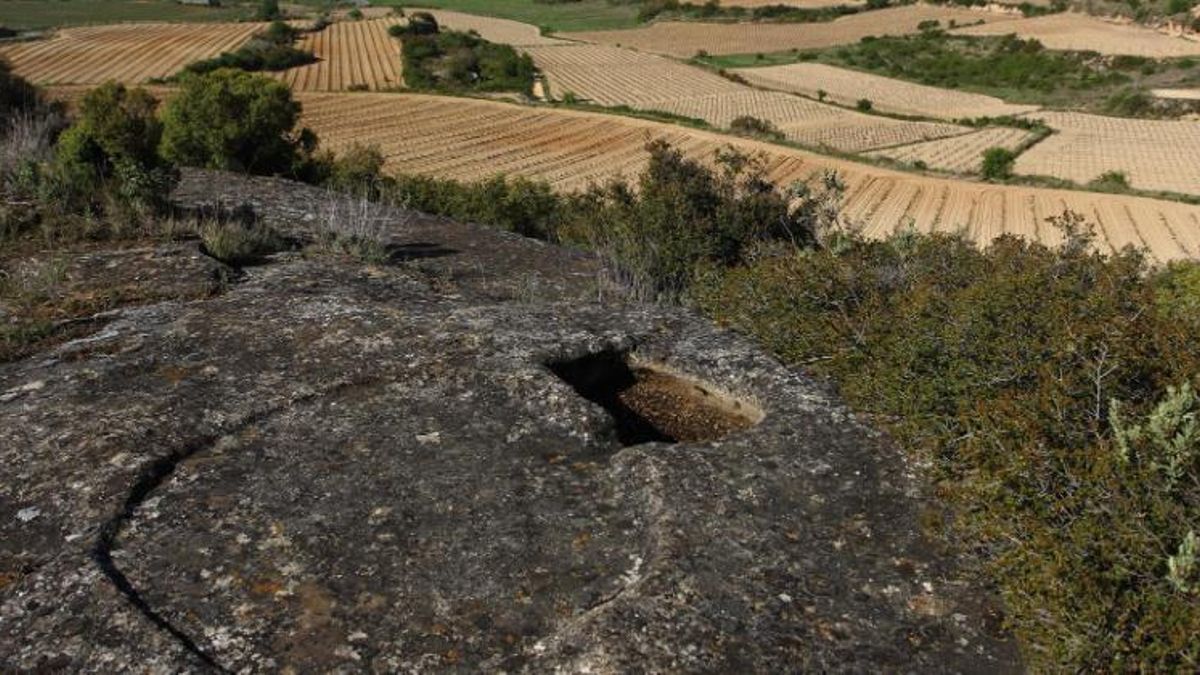
Farmers in the province of Álava built these lagares, wine-making facilities, directly into the rocky hillsides of their vineyards as a defensive strategy during conflicts between the kingdoms of Navarre and Castile. Building the presses within the vineyards ensured the survival of the grape harvest by eliminating the risk of loss or damage during transport to towns.
The lagares consist of three main parts: an inclined stone surface for treading grapes, channels to carry the juice, and a lower basin to collect and decant the wine. While most presses relied on foot-treading, some more complex examples included wooden presses powered by levers or screws. These facilities allowed vintners to quickly process grapes and protect the resulting wine, storing between 80 to 600 liters in the lower basins.
The archaeological site in Labastida, Spain, also reveals connections to medieval cemeteries and settlements. These lagares aren’t isolated structures, but part of a broader landscape where people lived, worked, and were eventually buried near their vineyards. Today, these historic presses are recognized as important cultural assets and attract visitors interested in the history of wine production in the Rioja Alavesa.