New narratives challenge traditional heroic myths of warfare
Headline and summary by local AI
Authors and artists are advocating for more honest and complete stories about war to replace traditional patriarchal narratives of heroism and sacrifice.
The way societies represent and narrate war influences how conflicts are conducted in the real world. Academic Alice König argues that creating and absorbing war stories generates images and expectations that shape future behaviors. While official ceremonies and medals offer dignity, the author argues that old lies about glory can harm people.
Instead, poets like Wilfred Owen provided a more truthful account of the physical and mental toll on soldiers in the field. Historical narratives have often ignored the specific experiences of women. Christina Lamb notes that while depictions of war have included sexual violence for centuries, it was not recognized as an independent war crime or a tool of genocide until 1998. This historical oversight allows sexual violence to remain a brutal and inexpensive weapon in modern conflicts.
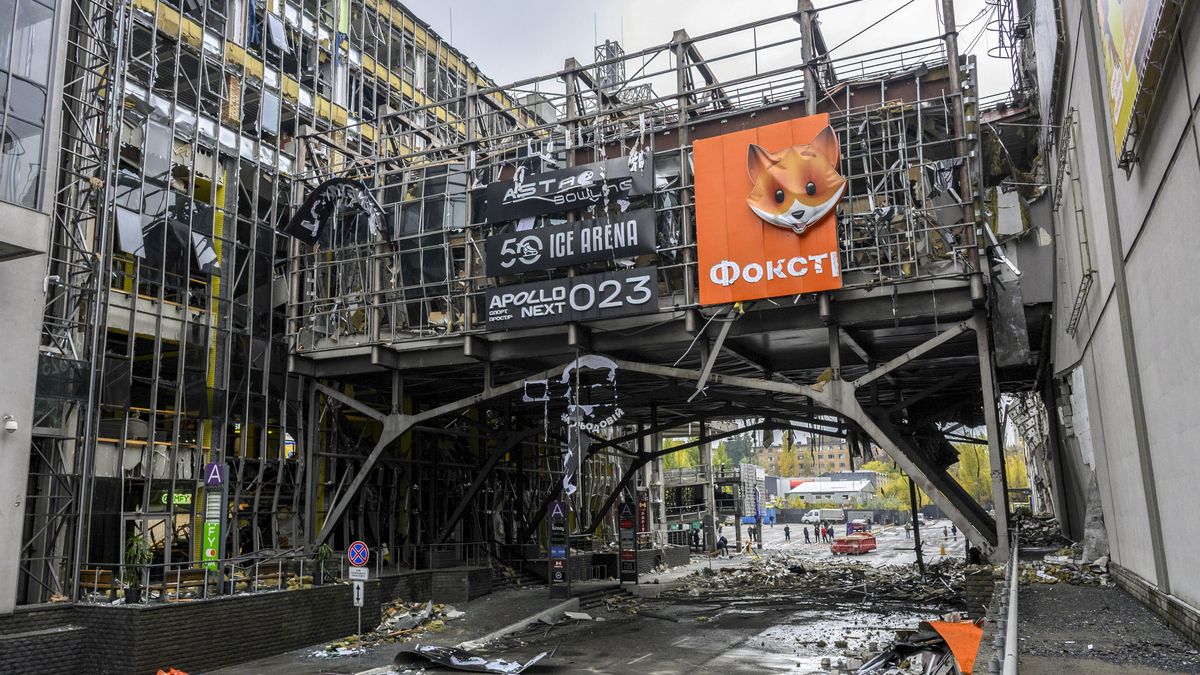
Current propaganda also distorts history, such as when Vladimir Putin uses the history of the Second World War to frame the invasion of Ukraine as a continuation of past victories. Newer artistic expressions in Ukraine offer different ways to process the reality of invasion. Writer Sasha Dovzhyk uses folklore to create documentary-style fairy tales, while filmmaker Alisa Kovalenko produces intimate records of war that avoid false heroism.
Other artists, such as Dasha Chechushkova and Taysir Batniji, use humble symbols like flower gardens or bars of soap to honor the dead and reflect on the impermanence of life. These works focus on internal desolation and community remembrance rather than patriotic fervor.
Selected and summarized by local AI How we work
More in Discovery

St Paul's Cathedral to become first Anglican Church museum in Chile
theartnewspaper.com · 23 Nov 2026
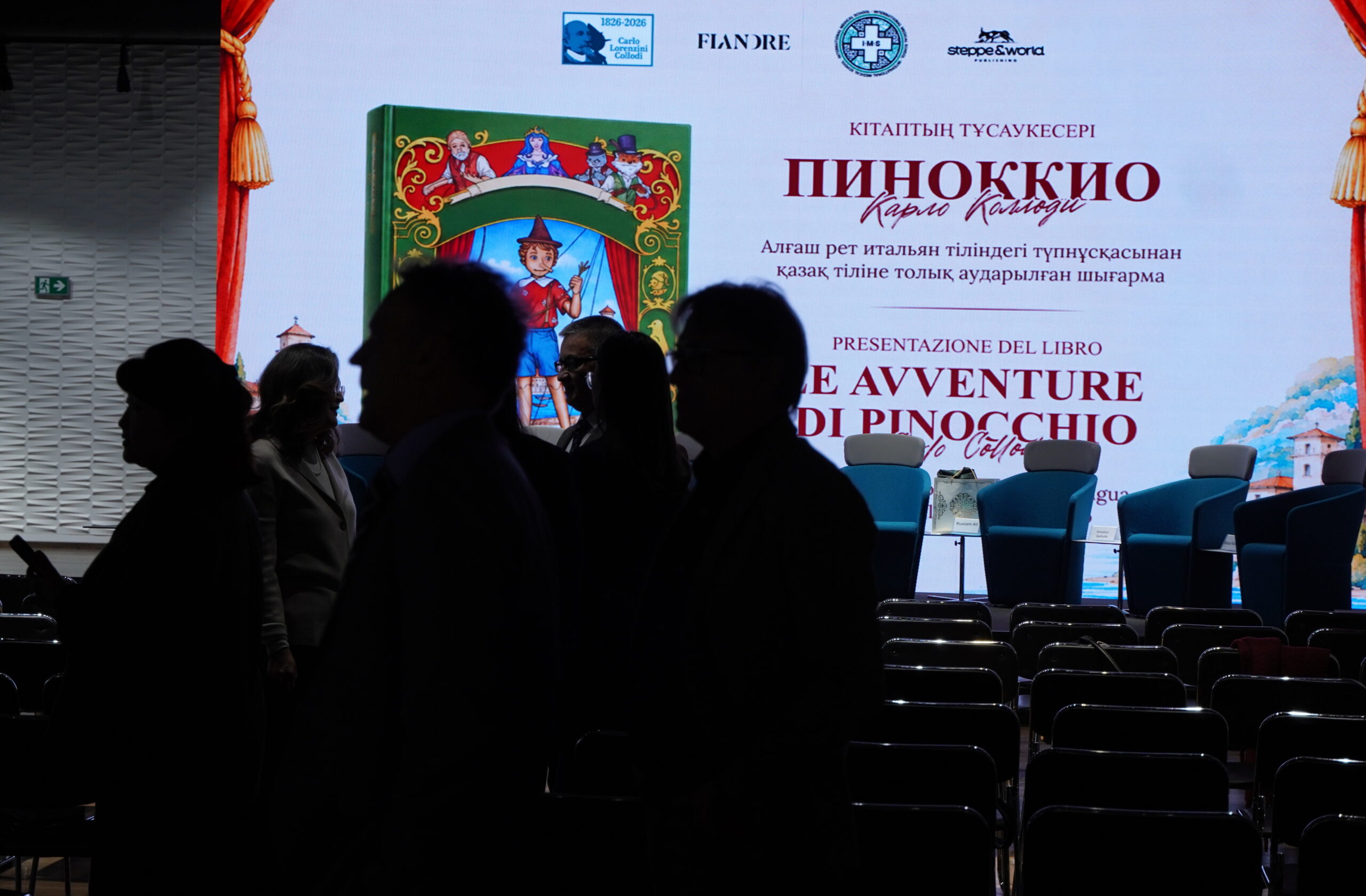
Kazakhstan releases first Kazakh translation of Italian Classic Pinocchio
astanatimes.com · 16 Nov 2026

Film directors reconstruct the life of Argentine artist Rubén Santantonín
perfil.com · 15 Nov 2026