Ancient hill fort reveals life in Basque Country
Summary and headline written by AI from the source article. How we work
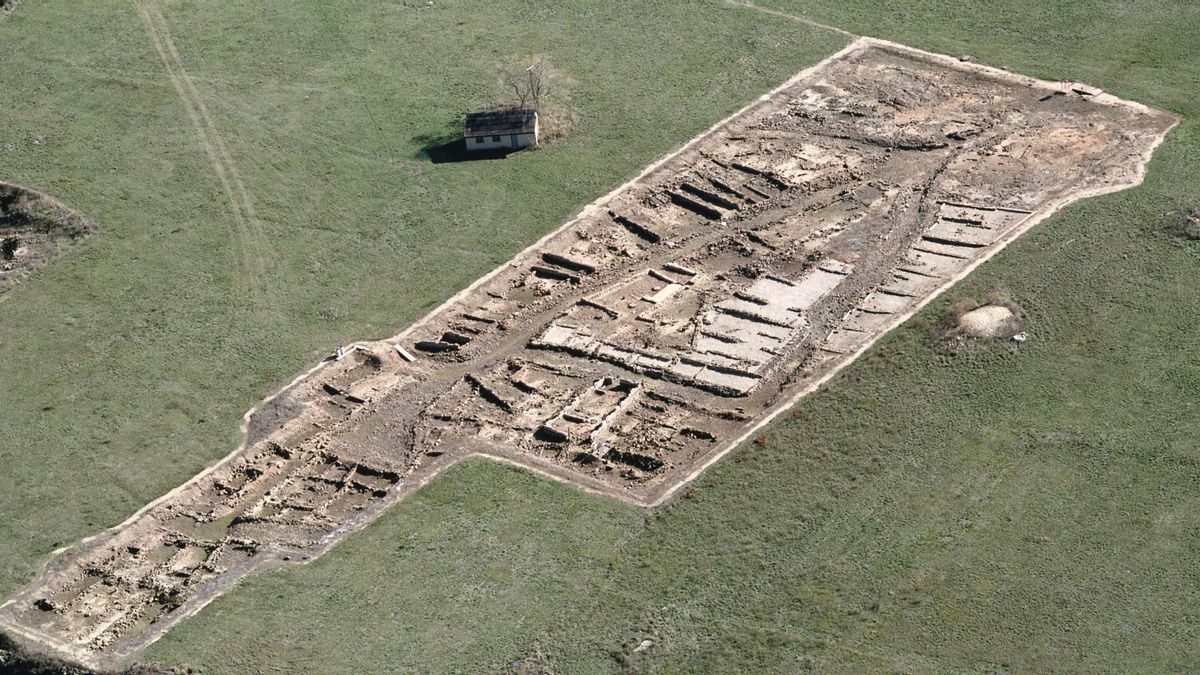
A resident of Laguardia, a town in the Álava province of Spain, discovered the prehistoric settlement of La Hoya in 1934 while farming. The site, dating back to the Middle Bronze Age around 3,400 years ago, shows evidence of contact between early Indo-European groups and local megalithic cultures.
The four-hectare settlement remained hidden from the public until 1965 and is now recognised as an important archaeological site in the Basque Country.
Over time, the people of La Hoya built defenses, starting with wooden palisades and later constructing stone walls extending over 360 meters. Archaeologists found evidence of carefully planned streets and squares, with cobblestone pathways and drainage systems. The inhabitants of La Hoya developed a skilled economy based on livestock, hunting, and agriculture, becoming a regional hub for trade and services. They crafted textiles, bronze objects, and pottery in workshops, and exchanged agricultural surpluses for goods.
However, the settlement met a violent end in the 4th century BC when an attack and fire caused its structures to collapse during a market day. Although rebuilt, La Hoya was finally abandoned in the 3rd century BC as people moved to a nearby hill where Laguardia now stands. Today, visitors can explore the site and a museum built in 1986 that displays findings from the archaeological digs, including a reconstructed Celtic home.