Vegvísir symbol: origins in Icelandic magic, not Viking navigation
Summary and headline written by AI from the source article. How we work
Researchers determined the Vegvísir, a popular Nordic symbol often seen on jewelry and tattoos, did not originate with the Vikings.
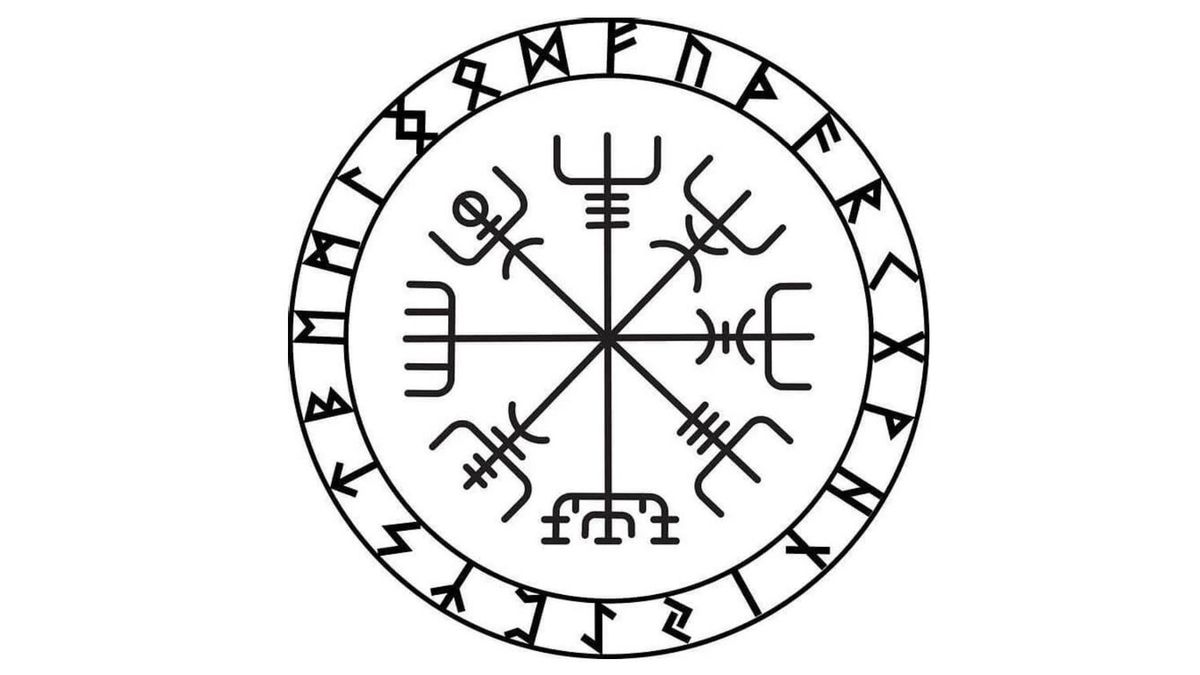
Despite its association with Viking seafaring, the symbol first appeared in 19th-century Icelandic manuscripts detailing magic and folklore. Geir Vigfússon included the Vegvísir in the Huld Manuscript in 1860, centuries after the Viking Age ended around 1066.
The symbol, whose name combines words for “path” and “guide,” was intended as a magical amulet to help people find their way through storms and unfamiliar territory. Viking-era navigators used methods like observing currents, stars, bird flight patterns, and Iceland spar to navigate, not this symbol. The romanticized connection between the Vegvísir and Vikings arose in the 19th century with a renewed interest in Scandinavian folklore, and was further popularized by modern entertainment.
Today, the Vegvísir continues to hold spiritual significance for many people, including the Icelandic singer Björk, who has a Vegvísir tattoo. People now view it as a symbol of inner strength, resilience, and emotional stability, rather than a tool for physical navigation. The symbol’s lasting appeal demonstrates that an icon’s value lies in the meaning people assign to it, regardless of its historical origins.