Inca rituals used coca to adorn llamas before burial
Summary and headline written by AI from the source article. How we work
Archaeologists in Tambo Viejo, Peru, discovered evidence that the Inca people used coca leaves to decorate llamas before burying them in ritual offerings.
Lidio Valdez, an archaeologist from the University of Calgary, led a team investigating sacrifices at the site, which dates to around 1450 to 1500. The research challenges accounts from Spanish chroniclers, who described Inca ceremonies but may not have directly witnessed them.
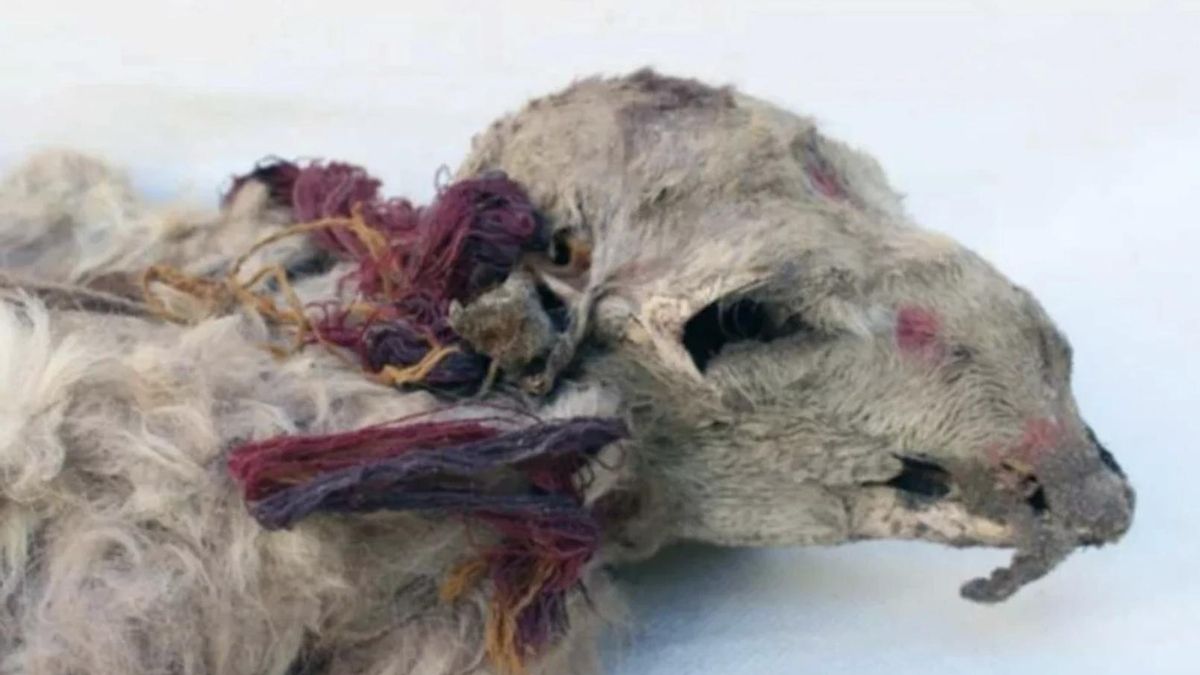
The team found fragments of coca leaves trapped in the wool of three llamas within a ceremonial deposit. This discovery is the first material evidence linking coca to these Inca rituals, as previous investigations only revealed stored coca seeds and leaves. The archaeologists found 44 llamas in total, some adorned with colorful tassels, necklaces, and red paint.
The way the llamas were prepared, with their legs bound and bodies covered in sand along with guinea pigs, suggests they may have been intentionally suffocated during the burial. The Inca used these animal offerings to strengthen their relationships with deities connected to the lands they conquered and to solidify their authority over newly acquired populations.
The findings also offer new insight into the historical condemnation of coca use by Spanish colonial authorities, revealing its deep roots in pre-Columbian Andean culture.