Inca agriculture laboratory in Peru used microclimates to test crops
Headline and summary by local AI
The Inca civilization constructed Moray, a massive archaeological site in the Maras district near Cusco, Peru, to potentially serve as an agricultural laboratory.
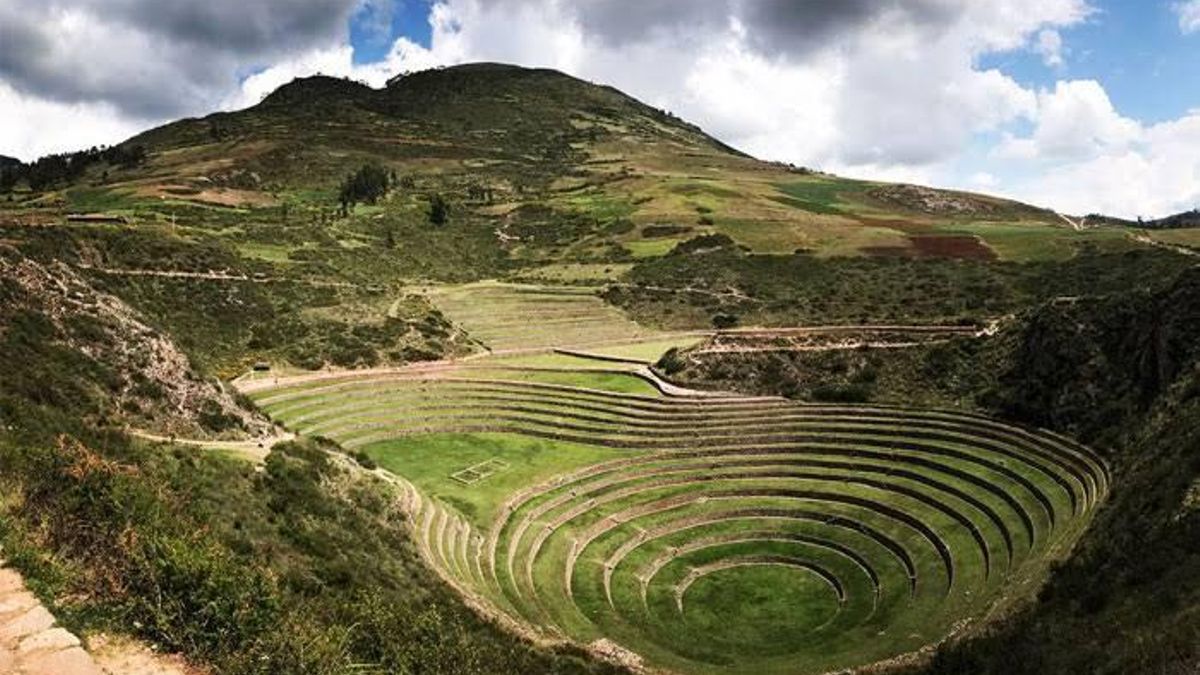
Located at 3,400 meters above sea level in the Sacred Valley, the site features concentric circular terraces that descend hundreds of meters into the earth. Researchers believe the Inca built these terraces to recreate different environmental conditions in a single location.
Because of the depth of the depressions and their orientation to the sun and wind, the different levels could have created temperature differences of up to 15 degrees Celsius. This allowed the Inca to experiment with how plants from various altitudes responded to different climates before they expanded production across the empire. The civilization used these methods to study essential crops like maize, quinoa, and potatoes.
The engineering of the site also included sophisticated hydraulic systems to manage water during the rainy season. Builders used natural depressions and reinforced them with retaining walls to prevent water from accumulating in the lower areas. While the site may have also served ceremonial purposes or solar observation, its role in agricultural science remains a primary focus of study.
Selected and summarized by local AI How we work