Indigenous ecotourism resists extraction in Ecuador’s Amazon
Summary and headline written by AI from the source article. How we work
In Ecuador, the Achuar people have developed community-based ecotourism to strengthen their economy, preserve their culture, and defend their territory in the Amazon rainforest.
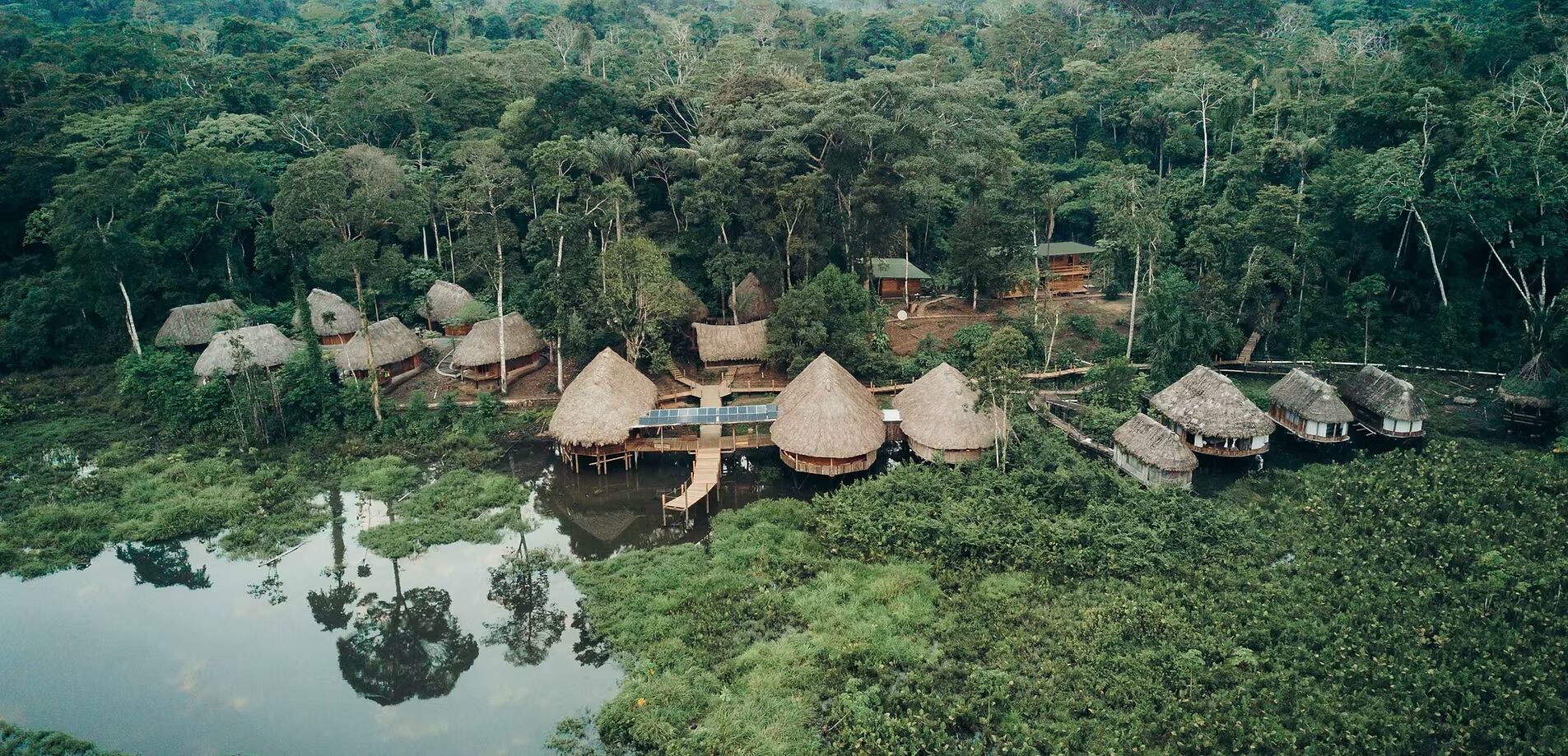
Facing increasing pressures from resource extraction, deforestation, and the climate crisis, the Achuar Nation demonstrates how economic and cultural sovereignty can protect their land. Kapawi Ecolodge, located in the Pastaza River basin, combines Indigenous self-management, hospitality, and sustainability, transforming tourism into a political and environmental conservation tool.
Currently, communities in Kapawi, Suwa, and Kusutkau jointly administer the project alongside neighboring Indigenous communities. In 2025, Kapawi received the Ibero-American Award for Sustainable and Social Tourism and support from the Adventure Travel Conservation Fund for a conservation project. The project began in the 1990s through a partnership with the Canodros tour operator, but the Achuar Nation of Ecuador gained full ownership in 2008, prioritizing community needs over outside interests.
Since then, the ecotourism model directs revenue toward community development, cultural preservation, and territorial protection. This approach contrasts with extractive development models that concentrate benefits while imposing environmental and social costs on the land. The Achuar people are building an economy based on conservation, where protecting the forest generates ongoing value, jobs, and self-governance. They believe visitors should respect the community’s right to determine how and where their land is visited.
The project also prioritizes reducing reliance on fossil fuels through solar power and boats in a remote region largely accessible by air and river. This experience shows that Indigenous presence in the forest requires material resources to exercise autonomy. Sustainable practices aren’t only about clean energy or purified water, but about the degree of territorial control held by the Indigenous people.
The Achuar question why public and private resources fund Amazon destruction while conservation projects struggle for support, and they call for stable public policies that recognize Indigenous autonomy.