Anonymous cooks shaped Spanish cuisine
Summary and headline written by AI from the source article. How we work
Chefs in Spain build upon cooking traditions inherited from generations of home cooks, rather than inventing new dishes.
Professional cooks don’t create recipes so much as they interpret and present them, a practice with deep roots in history. Examining the cuisine of al-Andalus, Islamic Iberia, reveals that surviving cookbooks primarily document meals enjoyed by wealthy elites.
Only two cookbooks remain from eight centuries of history in al-Andalus and the Maghreb, one a working notebook for a court cook and the other written by a jurist fleeing the advance of Christian forces. These texts detail expensive ingredients like saffron and almonds, painting a picture of affluent dining, but they don’t reflect everyday meals prepared by common people. While written recipes from the majority of cooks are lost, their influence survives in popular dishes.
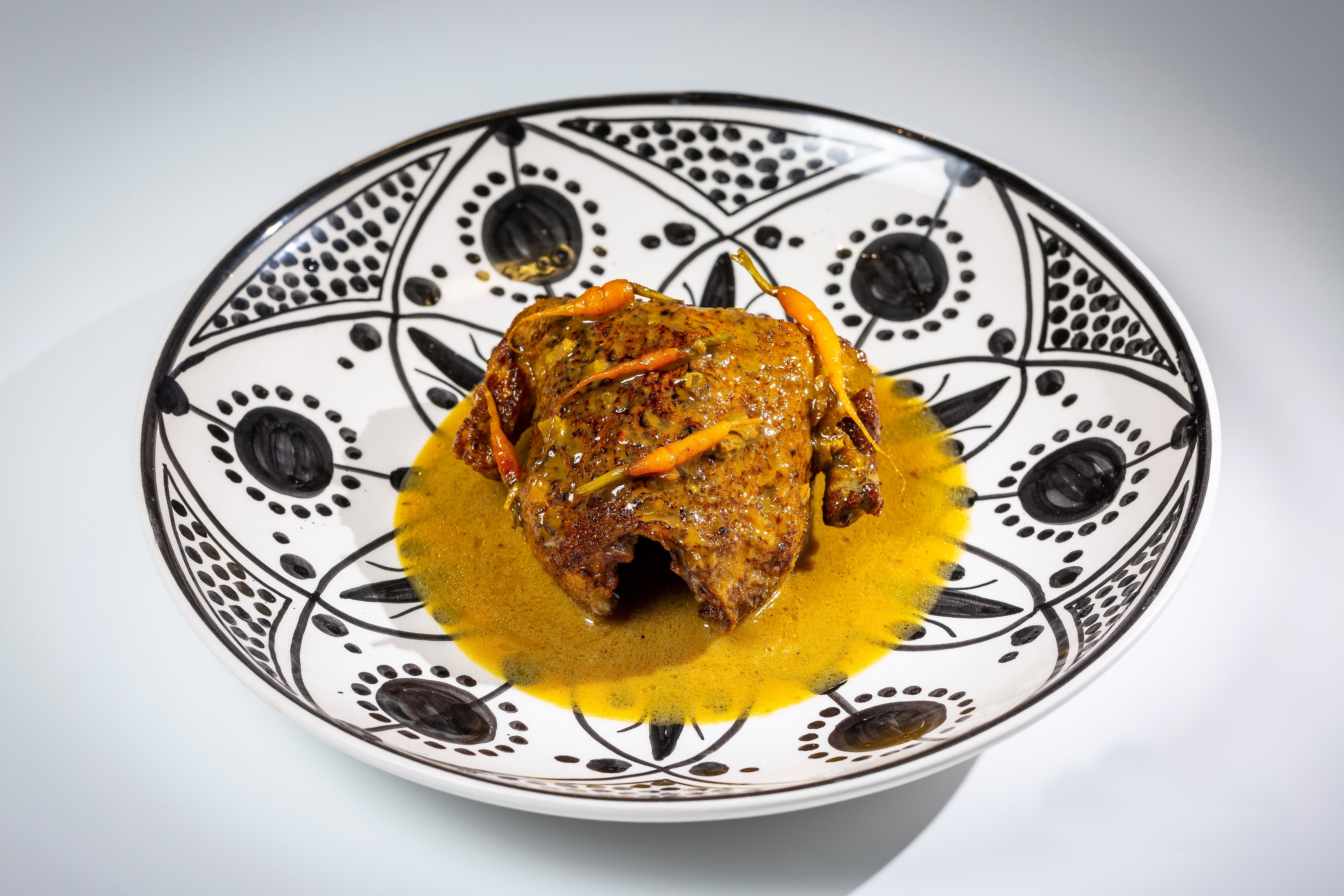
For example, the escabeche, a marinated fish dish, originated as a way to preserve food in the heat but is now enjoyed for its flavor. Similarly, the alboronía, a vegetable stew, has evolved over centuries and continues to be made in homes across Spain, even by people unfamiliar with its Arabic origins. Restaurant chefs strive for novelty, while home cooks seek familiar comfort in their food.
A chef finds success when a diner recognizes a dish from their past, suggesting that honoring tradition is more impactful than pure invention.