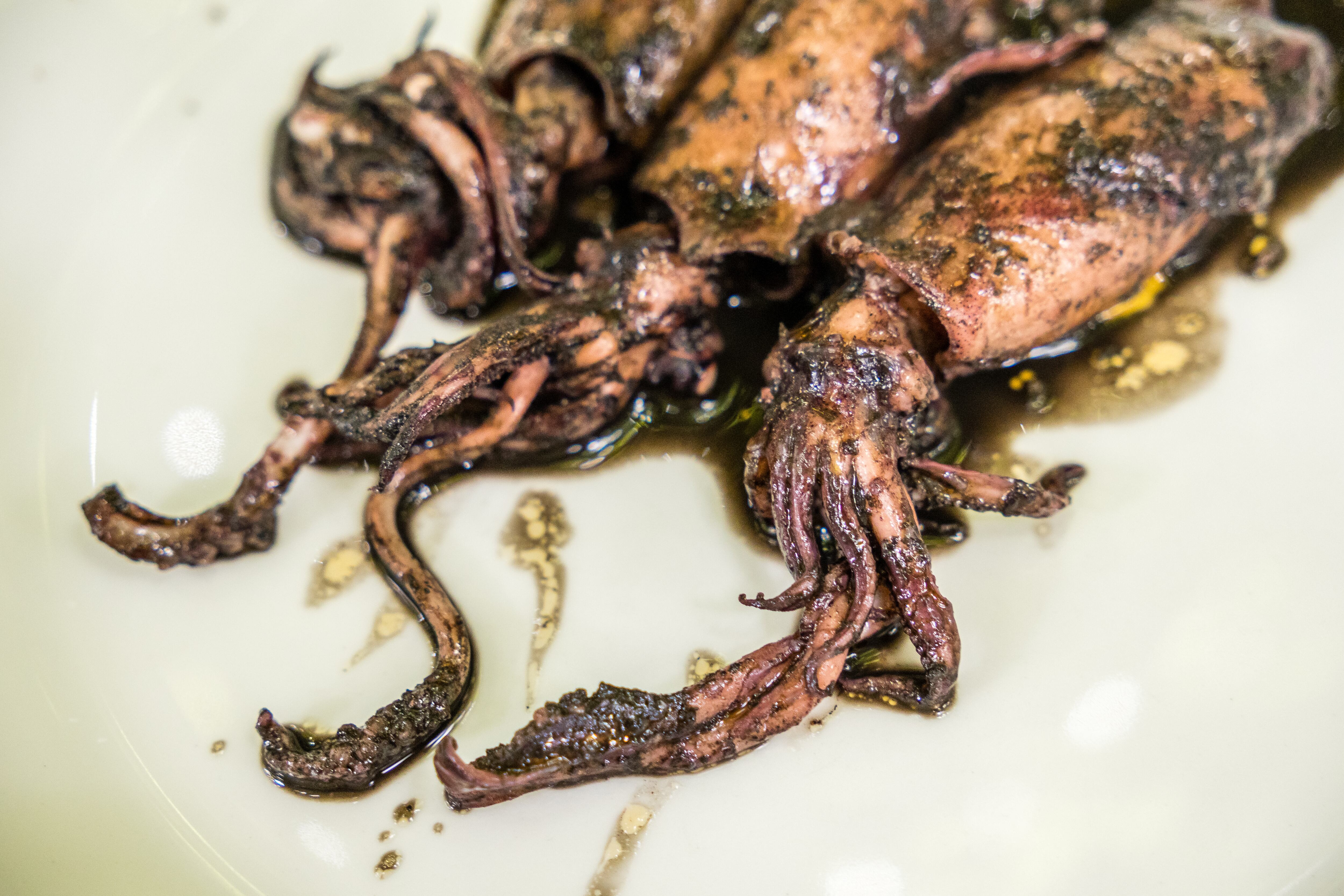
Calamari in ink: tracing a dish’s origins from china to the Basque Country
Summary and headline written by AI from the source article. How we work
Juan Antonio Duyos investigated the history of calamari in ink, a popular Spanish dish, to determine its origins.
Duyos examined historical texts and culinary traditions, challenging the common belief that the dish originated in the Basque Country of Spain. He found evidence suggesting the technique of separating and adding squid ink to sauces may have come from China, brought to Basque cooks by sailors traveling to the Philippines.
However, his research revealed older recipes using squid ink from Italy dating back to the 14th and 15th centuries. These Italian recipes detail methods for preparing squid and its ink that predate known connections between the Basque Country and the dish. Duyos determined that the recipe likely traveled from Europe to Asia, not the other way around, given the timeline of travel and culinary records.
The earliest reference to calamari in ink within the Basque Country appears in a 1775 text, and the first Basque recipe dates to 1873. Duyos concludes the dish is of Mediterranean origin, entering Spain through Italy in the late 16th century with the chef Diego Granado, who had worked in Italy. While the Basque Country may not have invented the dish, Duyos acknowledges their significant contribution to its refinement and popularization.


