GPS tracking of Iberian eagles aids West Nile virus detection in Spain
Summary and headline written by AI from the source article. How we work
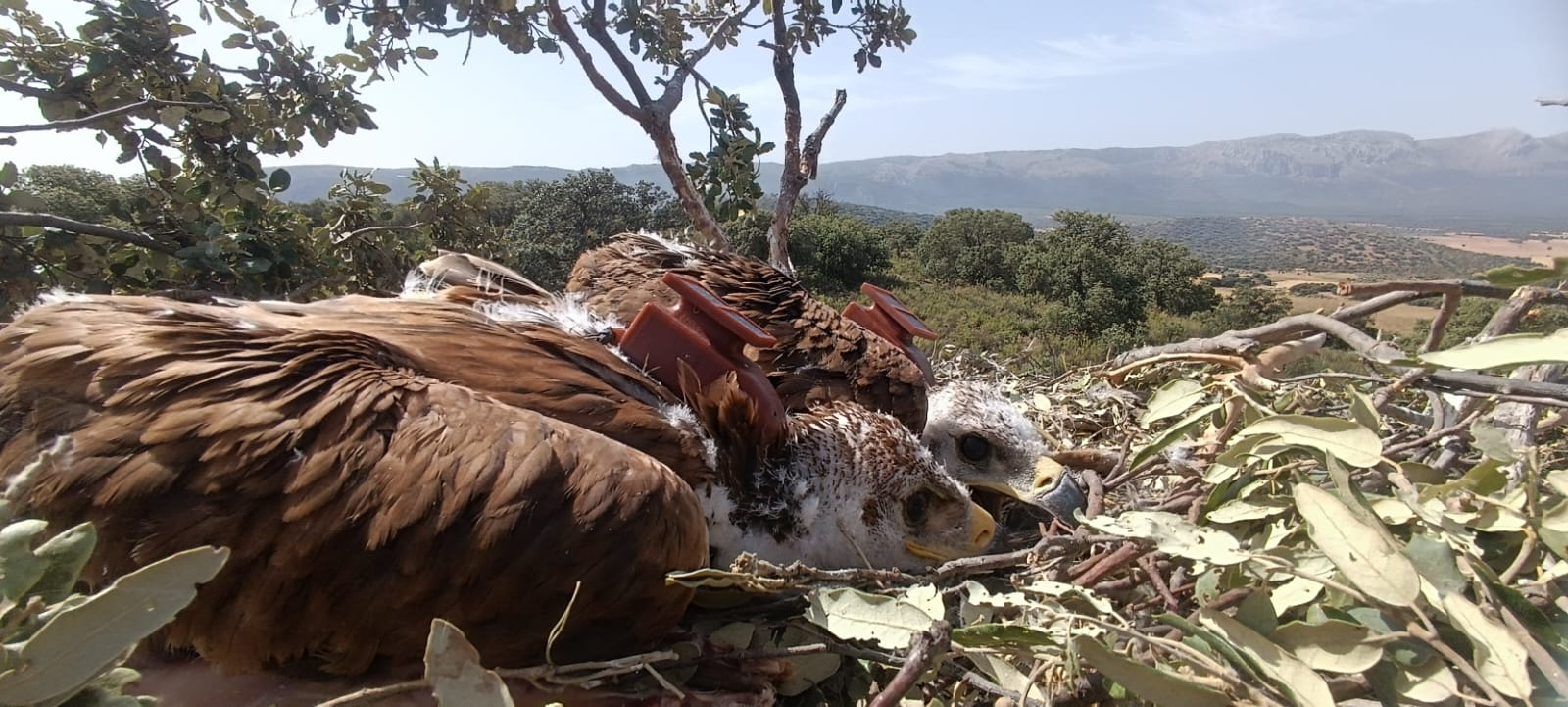
In Andalusia, Spain, authorities placed GPS trackers on 29 young Iberian eagles (Aquila adalberti) this year as part of a recovery plan for the endangered species.
The Junta de Andalucía, the regional government, initiated the tracking within the Doñana Natural Park and the provinces of Granada and Cádiz. These devices not only help conservation efforts by monitoring eagle movements and identifying new habitats, but also assist in detecting West Nile virus and other diseases that affect humans.
The trackers allowed officials to locate two eagles in Doñana that appeared unwell. Though the birds died, tests confirmed they had West Nile virus, prompting health authorities to alert nearby residents about preventative measures against mosquito bites, which transmit the disease. The government reports that the Iberian eagle is particularly sensitive to the virus, making it a useful indicator of its presence in the environment.
Researchers use data from the GPS trackers to understand how eagles use their habitat, where they disperse, and areas with high mortality rates. This information guides conservation strategies. The Junta de Andalucía commonly equips young eagles recovering in wildlife rehabilitation centers with these trackers, furthering both species recovery and public health monitoring.