Archaeologists recover neandertal remains from cave in navarre
Headline and summary by local AI
Archaeologists Andion Arteaga and Mikel Arlegi discovered the remains of an adult Neandertal male in the Abauntza cave in Navarre, Spain.
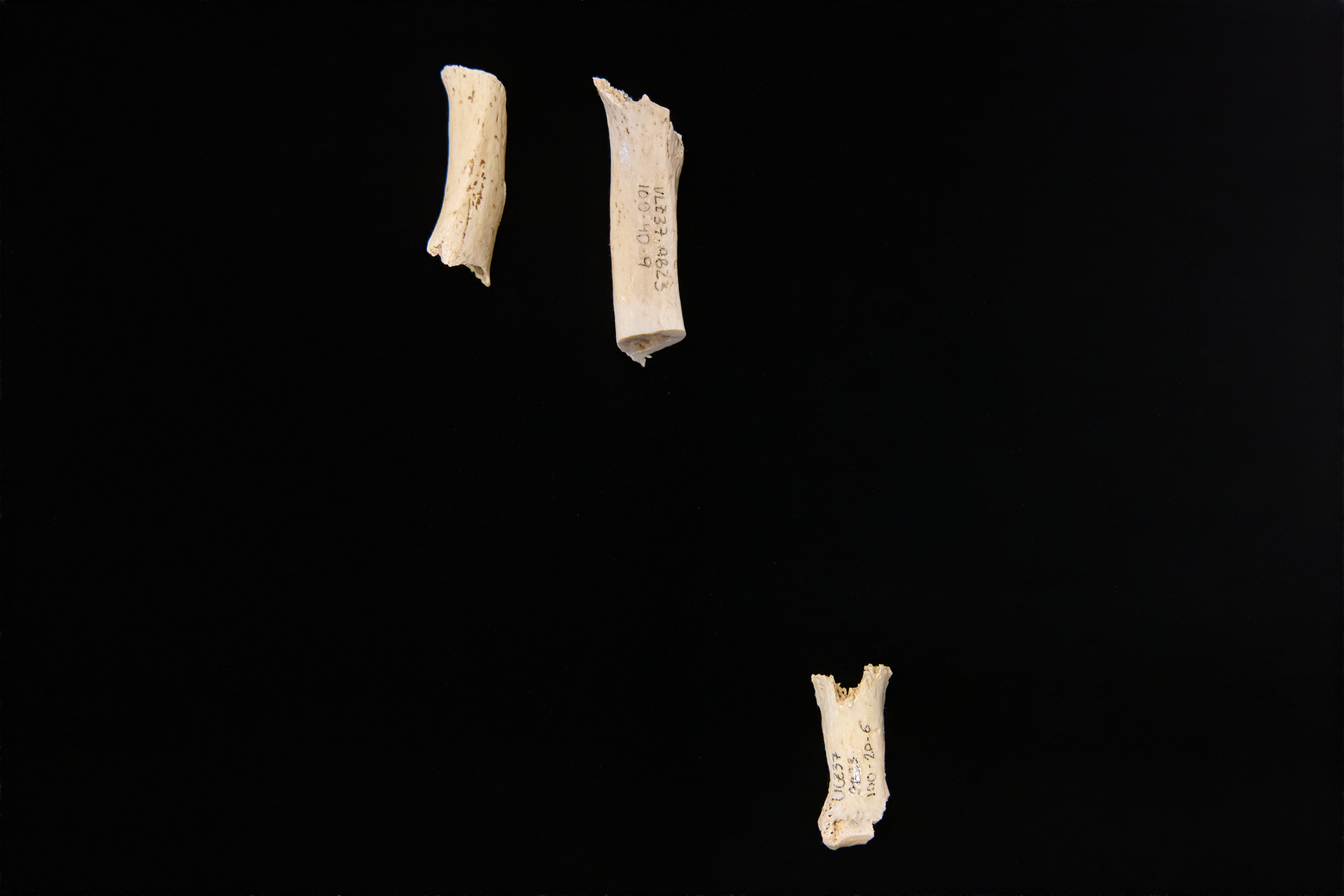
The researchers found several bones from the right hand of the individual, which date back approximately 46,000 years. These remains are significant because they contain both DNA and collagen, materials that are rare to find in European archaeological sites. The researchers used the presence of collagen to perform carbon-14 dating to confirm the age of the bones.
The DNA will allow them to study the genetic history of the final Neandertal populations in the region. The bones are currently at the Max Planck Institute in Leipzig, Germany, for further analysis. The team believes these finds will help clarify how Neandertals lived and moved through the Iberian Peninsula before their extinction. The project received funding from the Ultzamako Udala municipality.
Arteaga and Arlegi noted that the discovery was unexpected, as they initially sought general information about Neandertal lifestyles rather than specific human remains. They also found evidence of a lion and a bear in the vicinity. While the cave was occupied for roughly 50,000 years, the researchers suggest the Neandertals used the site primarily for fishing rather than as a permanent settlement.
Selected and summarized by local AI How we work
Discovery: Archaeology, new knowledge of art, culture and history, forgotten history uncovered, something lost restored.