Parque Alcosa: how residents transformed a seville neighborhood
Summary and headline written by AI from the source article. How we work
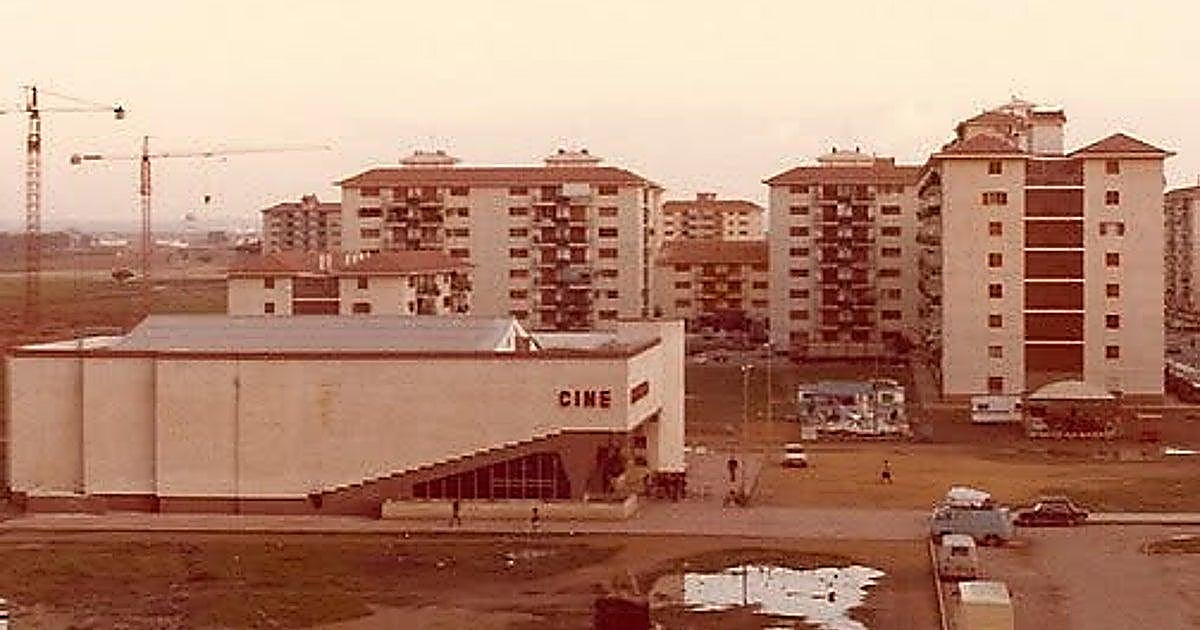
Residents of Parque Alcosa in Seville, Spain, began building their neighborhood in the late 1960s to address a housing need as the city expanded eastward.
The area already contained a significant agricultural cooperative when Alfredo Corral Cervera, a property developer, began construction. Corral named the neighborhood using an acronym derived from his name.
AL from Alfredo, CO from Corral, and SA from Sociedad Anónima, and honored his hometown of Valencia by naming streets after Valencian cities and dedicating the main parish to Our Lady of the Helpless, Valencia’s patron saint. Corral also developed similar residential areas in Alfafar (Valencia) and Alicante, exporting a model of large housing complexes with open spaces.
The land for Parque Alcosa once belonged to Ildefonso Marañón Lavín, an agricultural businessman who hosted King Alfonso XIII on a hare hunt in 1910, an event commemorated with a plaque. Before the neighborhood, archaeological digs revealed prehistoric and Roman ruins on the site. The initial residents of Parque Alcosa faced isolation due to its location surrounded by farmland and a lack of basic services.
Between the 1970s and 1980s, a strong neighborhood movement successfully advocated for improvements like schools, a health center, and better transportation. They also secured the recovery and opening of Tamarguillo Park, preserving a natural area with a historic farmhouse. Today, with over 23,000 inhabitants, Parque Alcosa remains a distinct neighborhood known for its strong community spirit and preserved green spaces.