Religious leaders and medical advocacy boost organ donation rates in Sevilla
Headline and summary by local AI
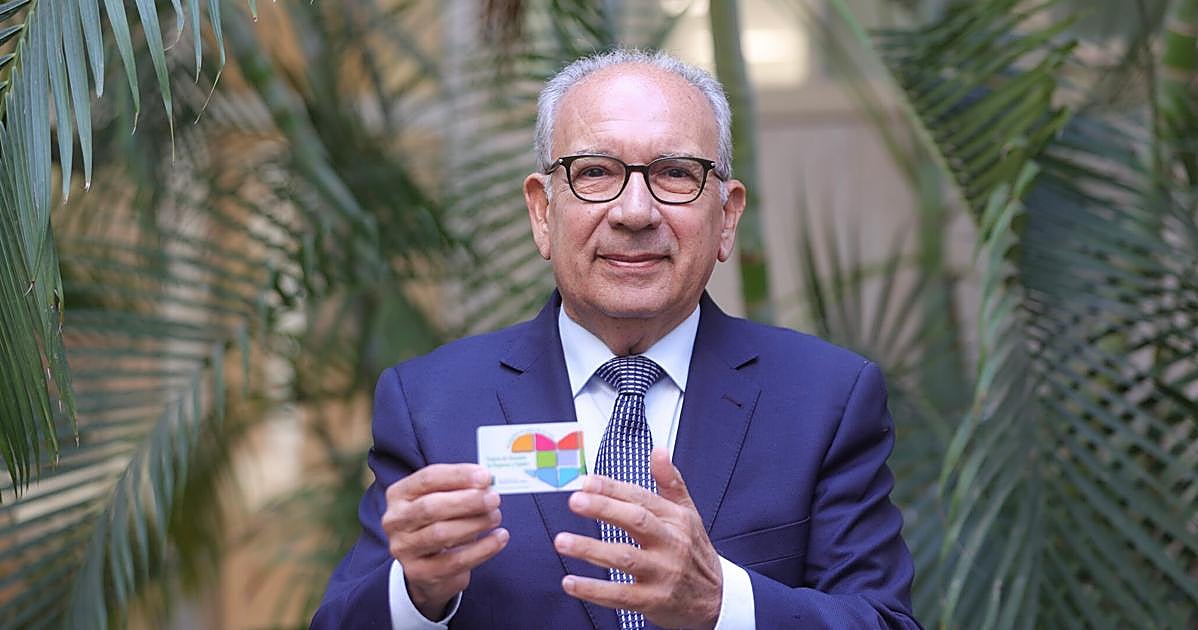
José Pérez Bernal, an intensive care doctor and transplant coordinator in Sevilla, Spain, helped increase organ donation acceptance in the region from 20 percent to over 80 percent.
Bernal worked at the Hospital Universitario Virgen del Rocío to advocate for transplants during a period when many families refused to donate organs due to fear or religious superstitions. He began by taking the hospital's mission into the public sphere to educate the community on how organ donation could save lives.
Bernal collaborated with Cardinal Carlos Amigo Vallejo to change public perception within the Catholic Church. The Cardinal published pastoral letters describing organ donation as a sublime act of love for one's neighbor, clarifying that the soul goes to heaven while the body can help others. This support opened doors to local religious brotherhoods, known as cofradías. A formal collaboration agreement was signed in 2005, and a 2008 Semana Santa (Holy Week) procession included a candle dedicated to an organ donor.
Publicity also played a major role in shifting local mentalities. A photograph in the newspaper ABC showed Cardinal Amigo Vallejo baptizing the daughter of a woman who had donated her son's organs. This image helped normalize the practice for the residents of Sevilla. Bernal has since conducted more than 2,500 public appearances to promote donation.
While Spain maintains a high transplant success rate, Bernal noted that live kidney donations remain lower in Sevilla compared to other regions like the United States.
Selected and summarized by local AI How we work
Solutions: Technology, policy and initiatives already in use against a real problem, with results to show.