Ho Chi Minh City uses new Law to boost tourism and influence
Summary and headline written by AI from the source article. How we work
Ho Chi Minh City, Vietnam, is leveraging a new Urban Development Law to enhance its appeal to tourists and expand its cultural influence.
The law provides the city with greater control over its development, allowing it to integrate transportation, commerce, culture, and tourism within a new urban model. City leaders believe that a positive visitor experience, shaped by the overall quality of urban life, not just tourism products, will build trust and goodwill toward Vietnam.
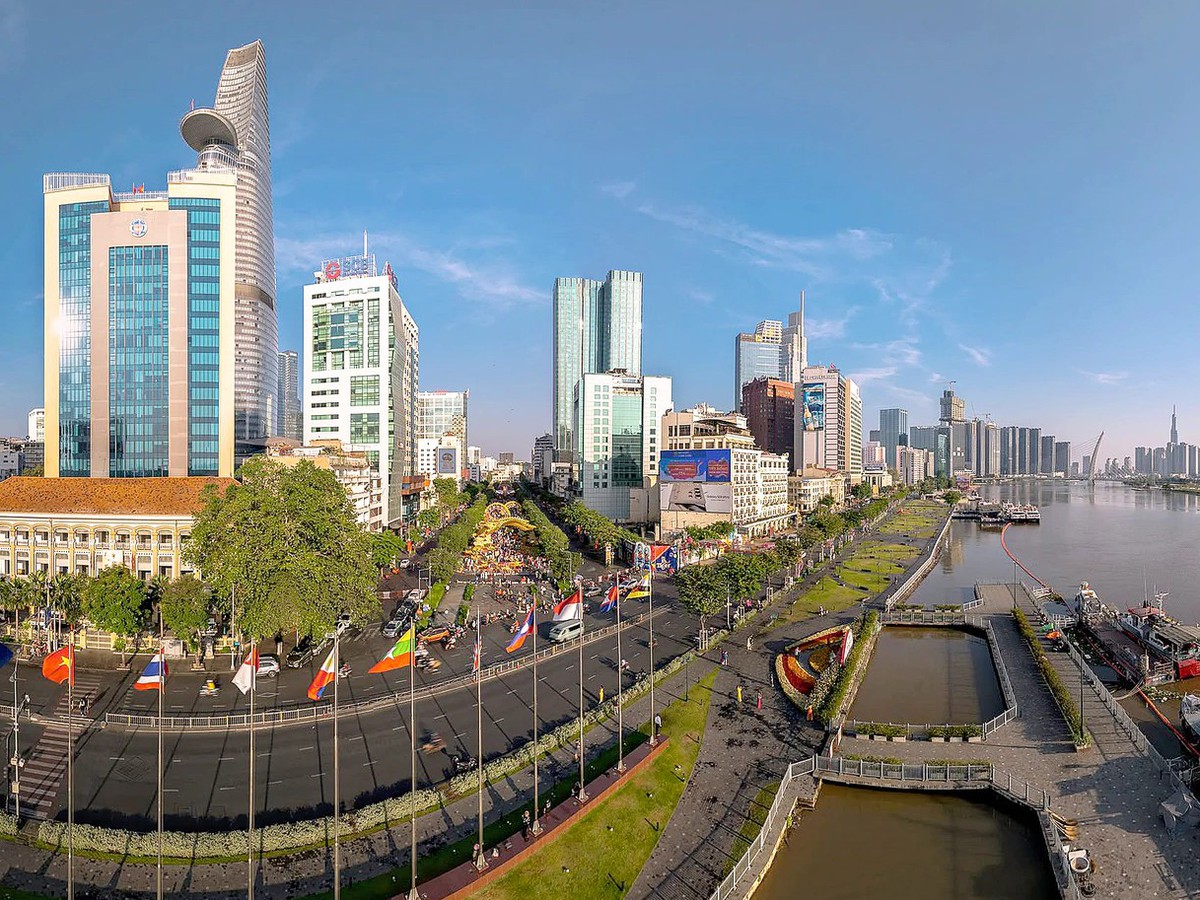
The law encourages innovative approaches to urban planning, giving Ho Chi Minh City the ability to test new economic models and prioritize areas like science, technology, and cultural preservation. It emphasizes connecting different parts of the city through improved transit, including a metro system, and developing its river and coastal areas. The goal is to create a more vibrant and interconnected urban environment that attracts business, creativity, and international exchange.
Beyond economic benefits, officials hope to use tourism to project Vietnam’s “soft power” internationally. By showcasing its history, culture, and modern development, Ho Chi Minh City aims to reshape international perceptions and foster stronger relationships. The city seeks to offer visitors a genuine experience of Vietnamese life, where they can encounter its people, culture, and a society that balances its past with a forward-looking vision. The law will take effect on October 1, 2026.