Indian government expands cash transfers to women to reduce poverty

Headline and summary by local AI
Indian state governments have expanded the use of unconditional cash transfers to reach millions of women across the country.
Between 2020 and 2025, the number of Indian states and union territories providing these direct payments grew from one to 16. These programs, which include schemes like Ladli Behna Yojana in Madhya Pradesh and Subhadra Yojana in Orissa, aim to improve household welfare and strengthen the economic position of women.
By 2025-26, these initiatives were expected to reach 120 million women with an estimated expenditure of 1.7 trillion Indian rupees. Research indicates that these transfers help women increase their savings and spending on education, healthcare, and digital payments. One study found that transfers to new mothers improved household nutrition and reduced gender disparities in food allocation. While these payments increase a woman's bargaining power and influence over household spending, they do not always lead to long-term economic independence.
A woman might receive monthly cash but remain outside of paid employment due to social norms or a lack of jobs. The Indian government is also using other methods to promote female entrepreneurship, including 70 central schemes and 400 state-level schemes. Gender budgets saw a 429 percent increase over the last decade. While women account for 68 percent of loan accounts under the Pradhan Mantri MUDRA Yojana, the country still faces a large gender gap in the workforce.
Men participate in the workforce at a rate 40.8 percentage points higher than women.
Selected and summarized by local AI How we work
More in Solutions
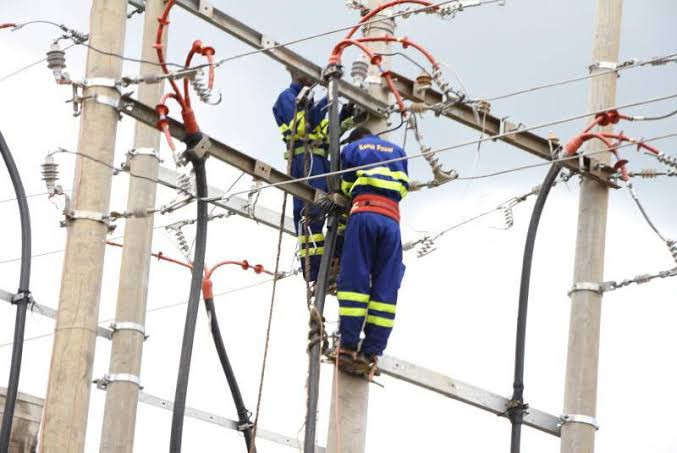
Kenya government invests Sh93.99 million to electrify Budalangi households
standardmedia.co.ke · 3 Nov 2026
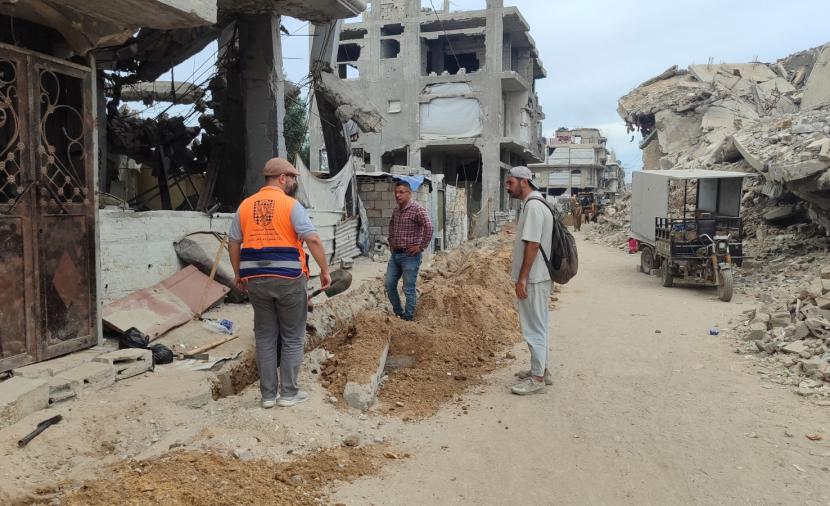
Gaza municipality repairs water distribution networks in Sheikh radwan neighborhood
felesteen.news · 10 Nov 2026

Tanzania exceeds infrastructure targets in national school building project
dailynews.co.tz · 10 Nov 2026