Indonesia’s photo project empowers villagers to protect wildlife
Summary and headline written by AI from the source article. How we work
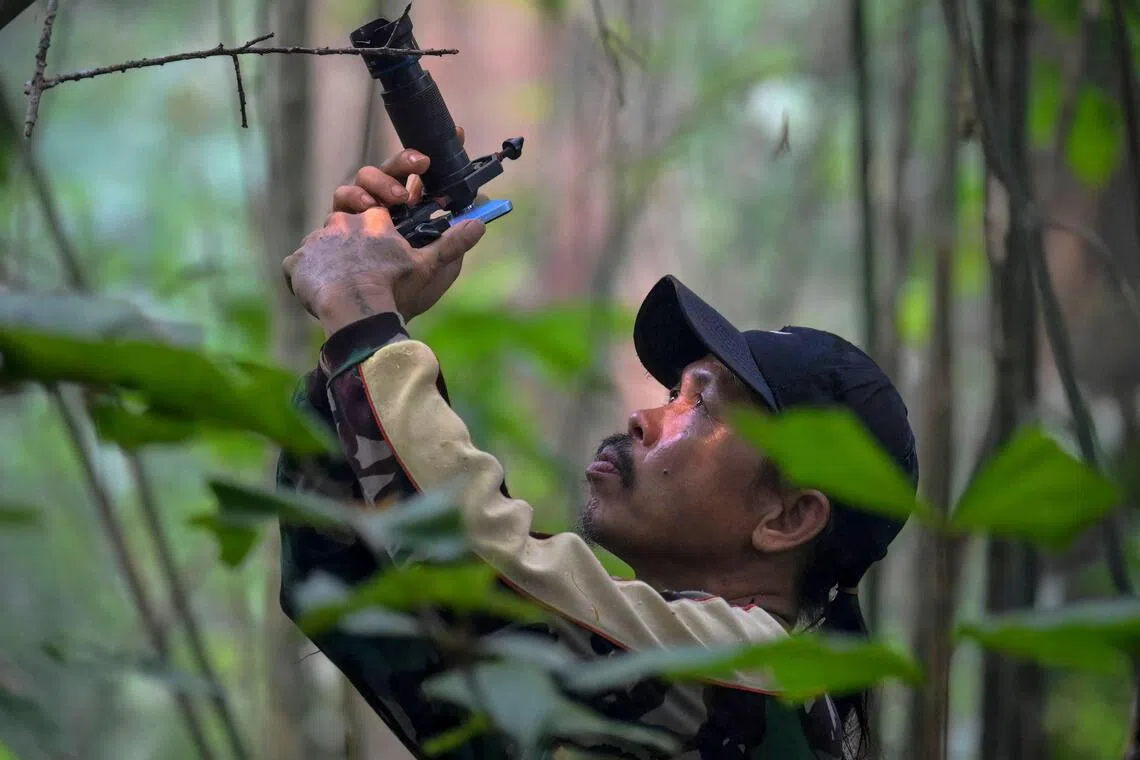
In West Kalimantan province, Indonesia, the KehatiKu project is compensating villagers for documenting local wildlife, shifting their focus from hunting animals to protecting them.
The program, run by Borneo Futures, provides income to residents who photograph or record animals, with payments ranging from about 35 cents for common birds to over $90 for endangered orangutans.
Villagers like Octavius earn supplemental income, some up to $719 monthly, that surpasses typical farmworker wages, allowing them to afford necessities like education and household goods. The KehatiKu project began two years ago with $300,000 in funding and uses an AI system to verify submissions from participants, who have so far contributed over 350,000 observations.
Two villages have already implemented voluntary hunting bans as a result of the program, recognizing the greater financial potential of observing wildlife rather than hunting it. Beyond the economic benefits, the initiative is fostering a stronger conservation ethic within the communities. Villagers are beginning to view animals as valuable resources to be protected rather than as pests or sources of profit.
Women, like Antonia Uneng, are gaining financial independence, and residents report health benefits from increased time spent walking in the forest. Researchers note that sustaining funding will be key to maintaining these positive changes.