Project Wolbachia covers over half of Singapore households to combat dengue
Summary and headline written by AI from the source article. How we work
The National Environment Agency (NEA) in Singapore has expanded Project Wolbachia to cover more than 840,000 households, which represents 53% of all homes in the country.
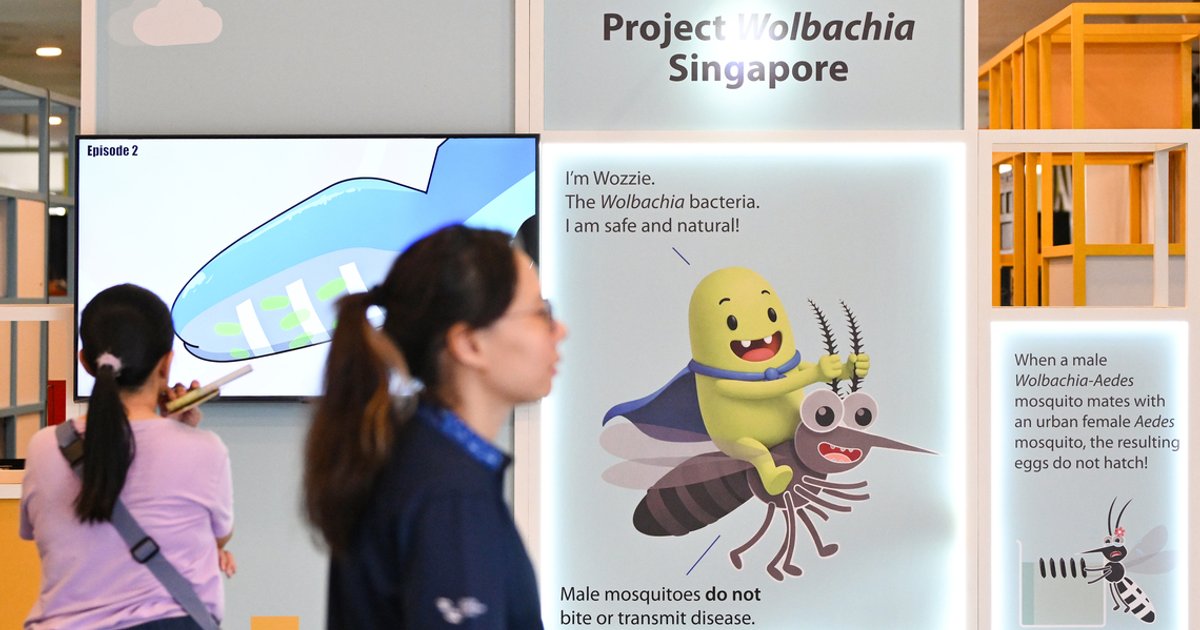
Since its launch in 2016, the initiative has used lab-grown male mosquitoes infected with Wolbachia bacteria to reduce the population of Aedes aegypti mosquitoes. When these males mate with females, the resulting eggs do not hatch.
Research published in the New England Journal of Medicine shows that the project has reduced Aedes aegypti populations by 80% to 90% in covered areas. This reduction has lowered the risk of dengue for residents in those locations by more than 70%. Singapore recorded a seven-year low of 4,036 dengue cases in 2025, a 70% decrease from the previous year.
Despite these gains, Janil Puthucheary, the Senior Minister of State for Sustainability and the Environment, warned that the project is not a complete solution. Officials noted that dengue cases rose by nearly 80% in the third quarter of 2026 as the DENV-3 strain became dominant. The agency attributed this spike to the peak dengue season and the El Nino climate pattern, which creates hotter and drier weather that speeds up mosquito breeding.
The NEA continues to urge the public to remove stagnant water to prevent further outbreaks.