Singapore’s legal system: 200 years of national development
Summary and headline written by AI from the source article. How we work
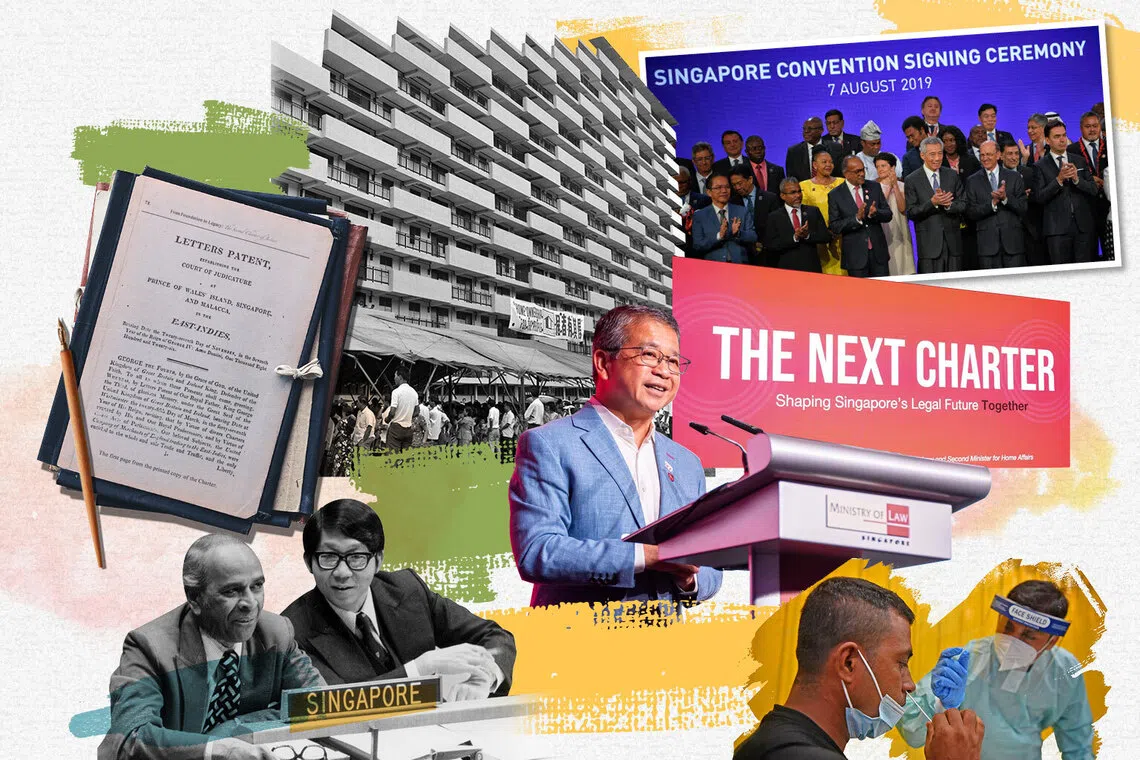
Over the past two centuries, Singapore’s legal system has evolved from a British colonial structure to a foundation for the nation’s growth and stability.
In 1826, the Second Charter of Justice established a common legal framework for the island, though initially it prioritized British interests over those of local inhabitants.
After gaining independence in 1965, Singapore’s leaders, including Lee Kuan Yew, recognized the value of the Rule of Law and invested in institutions like the Judiciary and the Police to ensure fair and consistent application of the law. This commitment to legal principles helped transform Singapore’s economy, increasing average income from around US$500 in 1965 to over US$75,000 by 2024.
The government also used the legal system to address social issues, such as crime and racial tensions, establishing the Presidential Council for Minority Rights in 1970 and enacting the Maintenance of Religious Harmony Act. More recently, Singapore has expanded its role in international law, contributing to agreements like the United Nations Convention on the Law of the Sea in 1982 and establishing itself as a hub for international dispute resolution with institutions like the Singapore International Arbitration Centre.
The country also adapted its legal responses during the Covid-19 pandemic, passing the Covid-19 (Temporary Measures) Act to provide relief to those impacted and embracing digital solutions for court proceedings.