Philippines launches ecosystem restoration to combat El Niño heat
Summary and headline written by AI from the source article. How we work
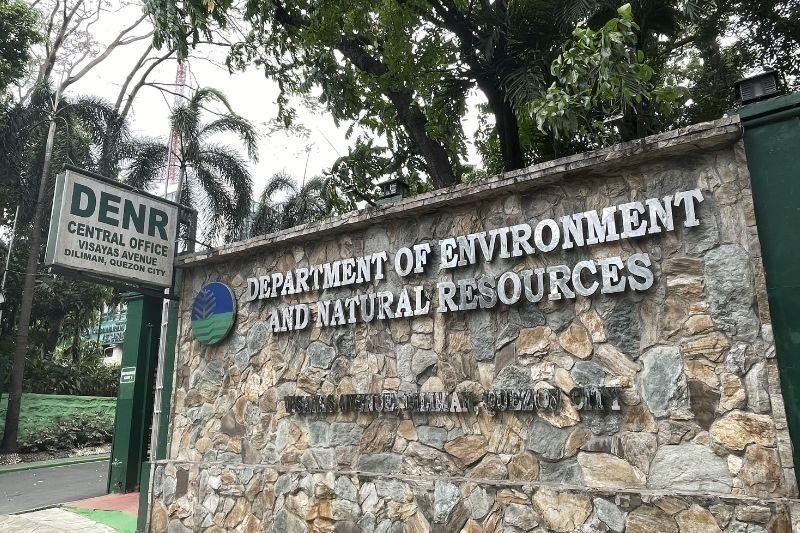
The Department of Environment and Natural Resources (DENR) launched a nationwide ecosystem restoration program in the Philippines to protect communities from the effects of a very strong El Niño.
Environment Secretary Juan Miguel Cuna stated that restoring wetlands, rivers, and coral reefs helps maintain functional buffers against extreme dry heat. In the Caraga region, the Protected Area Management Office of the Agusan Marsh Wildlife Sanctuary implemented adaptation measures to protect peatlands and freshwater wetlands.
These ecosystems act as natural sponges that regulate water flow, store carbon, and cool the surrounding environment. In the National Capital Region and Central Luzon, the Manila Bay Site Coordinating and Management Office intensified maintenance and cleanup of waterways as part of the Manila Bay Rehabilitation Initiative. The agency partnered with the Department of Labor and Employment to deploy River Rangers for a 10-day cleanup of river channels, creeks, and estuaries in Pampanga.
Additionally, the office monitors water sources across Bulacan, Pampanga, Nueva Ecija, Bataan, and Tarlac. In the Bicol Region, the PENRO Masbate identified shallow coral areas and seagrass beds in Mobo and San Jacinto that are vulnerable to extreme heat. Education Secretary Sonny Angara also launched a school-based hydroponics project to address potential food and water shortages caused by the prolonged super El Niño.
While foreign governments have urged citizens to stockpile supplies due to geopolitical tensions and potential cyber-attacks, Malacañang stated the Philippines is ready for any eventuality.