Thailand plans pollution control zone for Kok River to tackle toxic water
Headline and summary by local AI
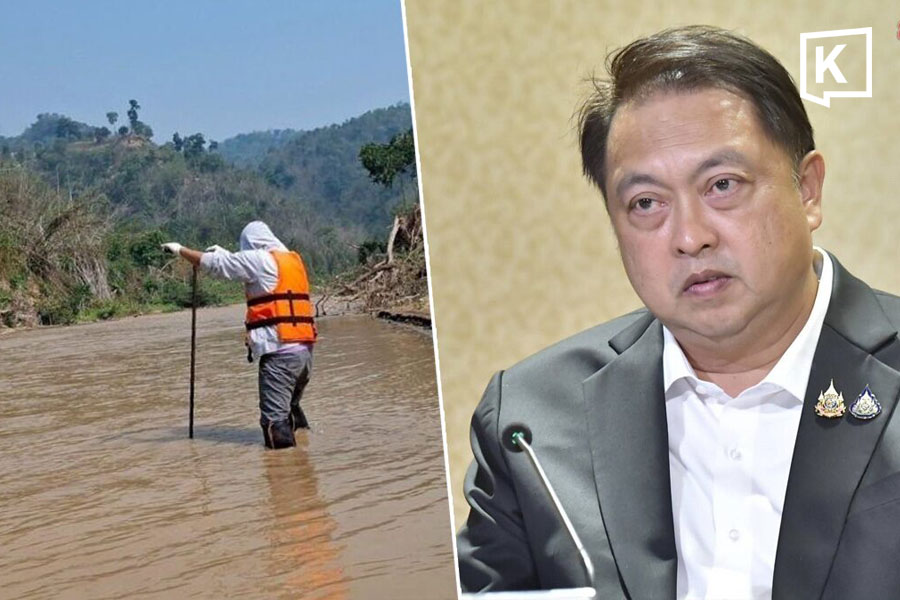
The Thai government plans to designate a 150-kilometre stretch of the Kok River as a pollution control zone on 2 December to address toxic contamination in northern waterways.
Natural Resources and Environment Minister Suchart Chomklin stated that the initiative follows instructions from Prime Minister Anutin Charnvirakul to provide residents with clean water. The Pollution Control Committee submitted the proposal to the National Environment Board for approval. If the board approves the move, the designation will appear in the Royal Gazette.
Following this, the governors of Chiang Mai and Chiang Rai will create an integrated management plan. The government intends to establish a central platform to share verified information with the public and will build analysis centres in Chiang Mai and Chiang Rai. These new centres will replace a system where samples were sent to Bangkok for testing, a process that took between 20 days and one month.
To manage cross-border pollution, Thailand will hold its first Joint Working Group meeting with Myanmar on 25-26 November. Representatives from Shan State will participate in these talks. Thailand plans to propose installing four water-monitoring stations in Myanmar and four in Thailand to ensure consistent data. Additionally, authorities are preparing to install around 20 real-time monitoring stations along the Kok River, its tributaries, and the Sai and Ruak rivers.
The Department of Water Resources will also survey new raw water sources to provide tap water for 14 communities in Chiang Rai, which will serve more than 20,000 people.
Selected and summarized by local AI How we work
Solutions: Technology, policy and initiatives already in use against a real problem, with results to show.