Financial education helps even with limited income
Summary and headline written by AI from the source article. How we work
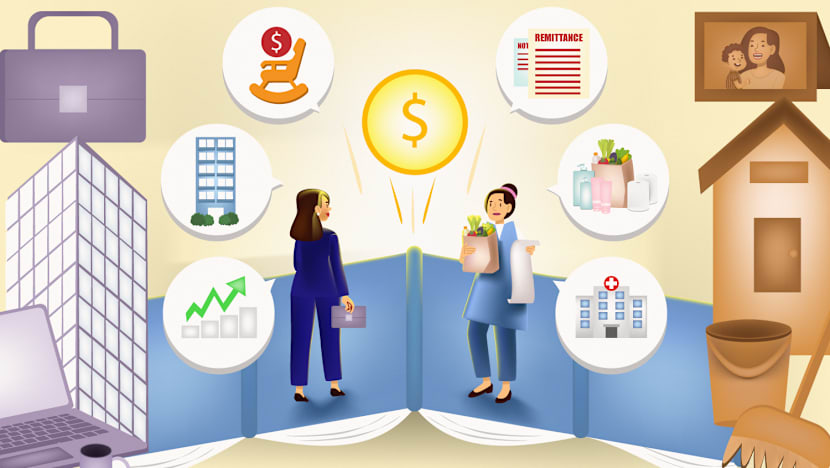
Jacqueline Loh, CEO of Aidha, a charity in Singapore, explains that financial education isn’t just for people with plenty of money. Her work with low-income Singaporeans and migrant workers shows that understanding finances becomes even more crucial when budgets are tight.
Loh observed that many people struggling to make ends meet asked how they could save when they were already in a constant state of emergency.
Traditional financial advice about saving and investing doesn’t help when basic expenses consume all available funds. For those with very little income, every financial decision carries significant weight. A small unexpected expense can force difficult choices between essential needs. Financial literacy, in these cases, isn't about maximizing investments but about making informed decisions about limited resources. It helps people understand loan costs, prioritize obligations, and recognize potentially harmful financial offers.
Aidha’s work demonstrates that tracking expenses can reveal spending patterns people don’t notice otherwise. For example, migrant workers often send regular remittances home, but also receive frequent requests for additional funds. Tracking these “top-ups” reveals how quickly they add up, allowing workers to make more deliberate choices about how much they can afford to send. Even small savings of S$20 to S$30 (roughly US$15 to US$22) can make a difference over time.
Loh emphasizes that financial education can’t solve problems like low income or inequality. However, it can empower people to make the most of their existing funds, prioritize spending, and avoid costly mistakes, giving them more control over their financial lives.