Bangladesh raises garment workers minimum wage following industry protests
Headline and summary by local AI
A government-appointed wage board in Bangladesh raised the monthly minimum wage for garment workers to 17,000 taka, which is approximately US$139.
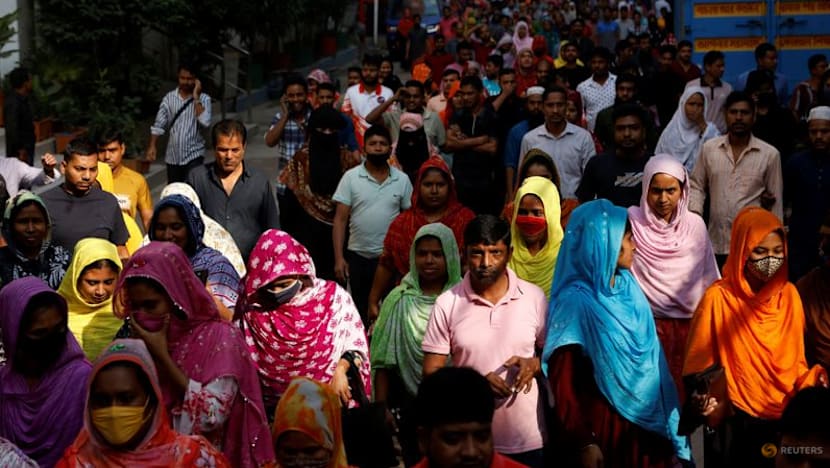
The decision follows weeks of protests by workers in a sector that employs more than four million people and generates over 80 per cent of the country's export earnings. During the unrest, workers blocked highways and shut down factories, leading to production disruptions and clashes with police.
The garment industry supplies major international retailers such as H&M, Zara, Walmart, Target, and Gap. The six-member board approved the new wage structure in a 4-2 vote after 12 hours of negotiations between workers and employers. While the workers initially requested 32,000 taka and eventually lowered their demand to 18,000 taka, the board settled on the lower figure. This 36 per cent increase represents the smallest wage hike for the sector in more than a decade.
The new four-grade pay structure will start on December 1, with workers expected to receive the updated wages in January. The Bangladesh Garment Manufacturers and Exporters Association reported that the protests caused 397 factories to stop operating and resulted in an estimated production loss of US$428 million over 18 days of disruption.
Selected and summarized by local AI How we work
Solutions: Technology, policy and initiatives already in use against a real problem, with results to show.