India reduces extreme poverty rate to 2.6 percent
Headline and summary by local AI
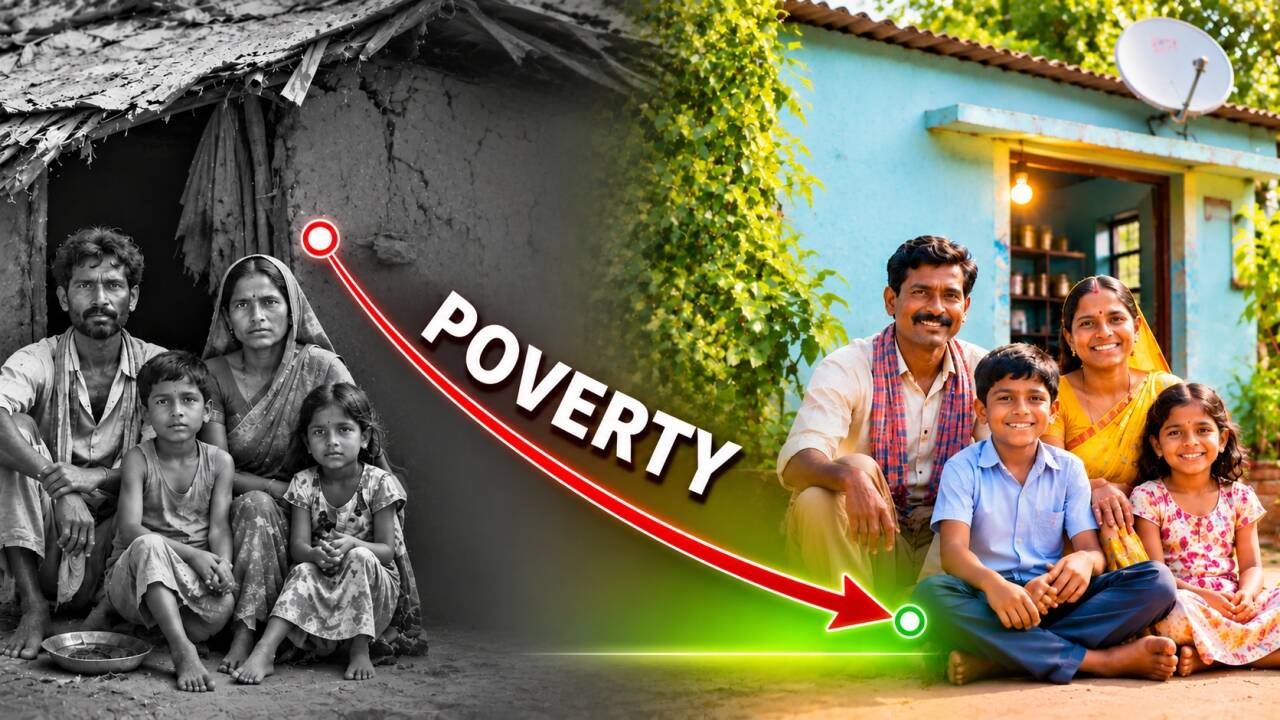
India reduced its extreme poverty rate from 27.1 percent in 2011 to 2.6 percent in 2023, according to a World Bank report.
This shift moved the country past the 3 percent threshold typically used to define the elimination of extreme poverty. The report shows that the proportion of Indians living below a daily threshold of $4.20 also dropped significantly from 57.7 percent to 16.1 percent during that period, lifting approximately 496 million people out of poverty.
The World Bank attributes these gains to strong consumption growth, rising employment for women, and expanded social transfers like food subsidies. Government programs, including the Pradhan Mantri Garib Kalyan Anna Yojana, provided free foodgrains to eligible households, which allowed people to spend money on other goods and services. Infrastructure spending also connected farms to markets and created construction jobs, while the growth of the service sector generated organized employment.
Despite these gains, the World Bank notes that poverty remains concentrated in rural areas and a specific geographic belt from Uttar Pradesh to West Bengal. While living standards improved as household spending shifted from basic necessities toward education and healthcare, wage disparities remain high. Median earnings for the top 10 percent of workers were about 13 times higher than those of the bottom 10 percent in 2023.
Experts suggest that continued progress will require sustained economic growth, higher female labor participation, and investments in skilling to manage technological changes like artificial intelligence.
Selected and summarized by local AI How we work
Thriving: Health improving, rights advancing, lives getting better.