Phillip Island’s penguins recover after fox removal
Summary and headline written by AI from the source article. How we work
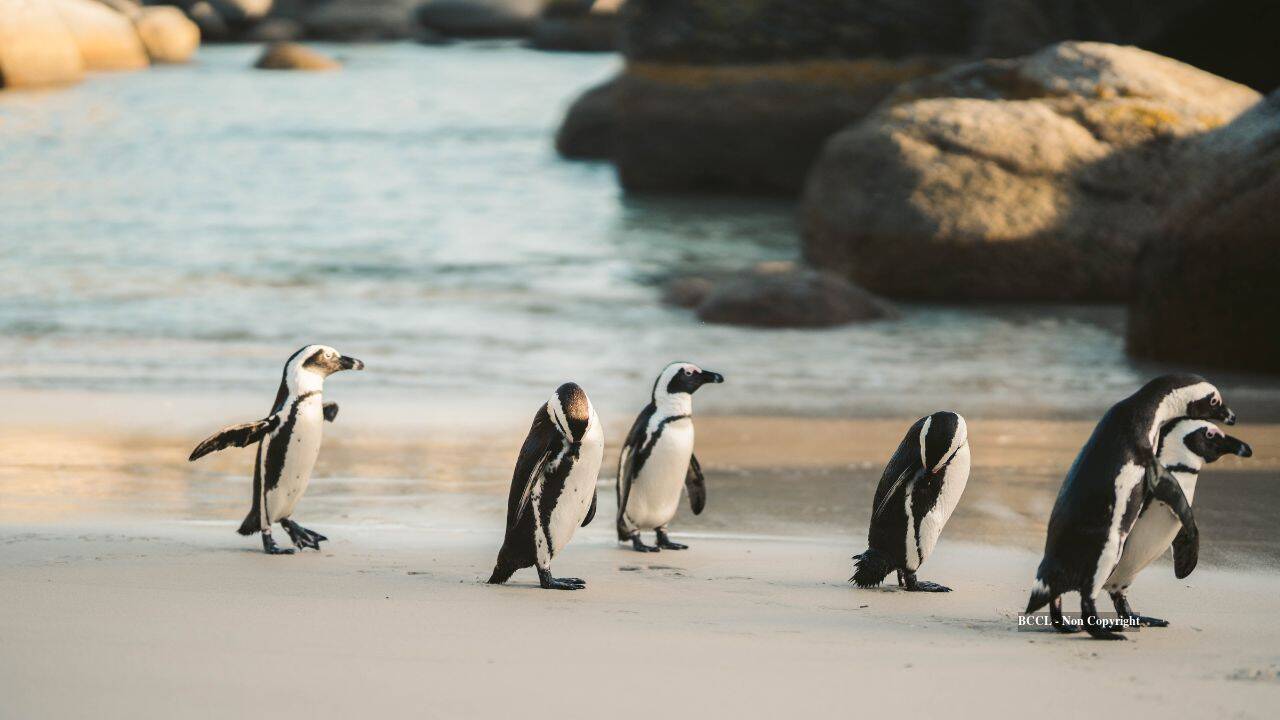
Phillip Island Nature Parks in Australia reversed a decline in little penguin populations by eliminating red foxes and restoring habitat.
By the 1980s, nine of the island’s ten penguin colonies had disappeared because of the introduced predator, habitat loss, and human activity. Conservationists began a program in 1985 to control foxes, rebuild penguin habitats, and conduct research. Over twenty years, the program removed over 1,000 foxes and eventually declared Phillip Island fox-free in 2017.
Removing houses built within penguin habitats allowed natural vegetation to return, providing safer nesting areas. This approach acknowledged that simply removing a predator isn’t enough without a safe environment for wildlife to thrive. The combined efforts increased the little penguin population from approximately 12,000 in the mid-1980s to an estimated 40,000 today.
Phillip Island Nature Parks continues to study the penguins both on land and at sea to understand their movements and identify potential threats to their food supply and overall health. The project also involved collaboration between scientists, government, local communities, and visitors who helped fund conservation efforts.