Island foxes rebound after pig removal in California
Summary and headline written by AI from the source article. How we work
Conservationists removed 5,036 feral pigs from Santa Cruz Island, California, to help the endangered Santa Cruz Island fox recover.
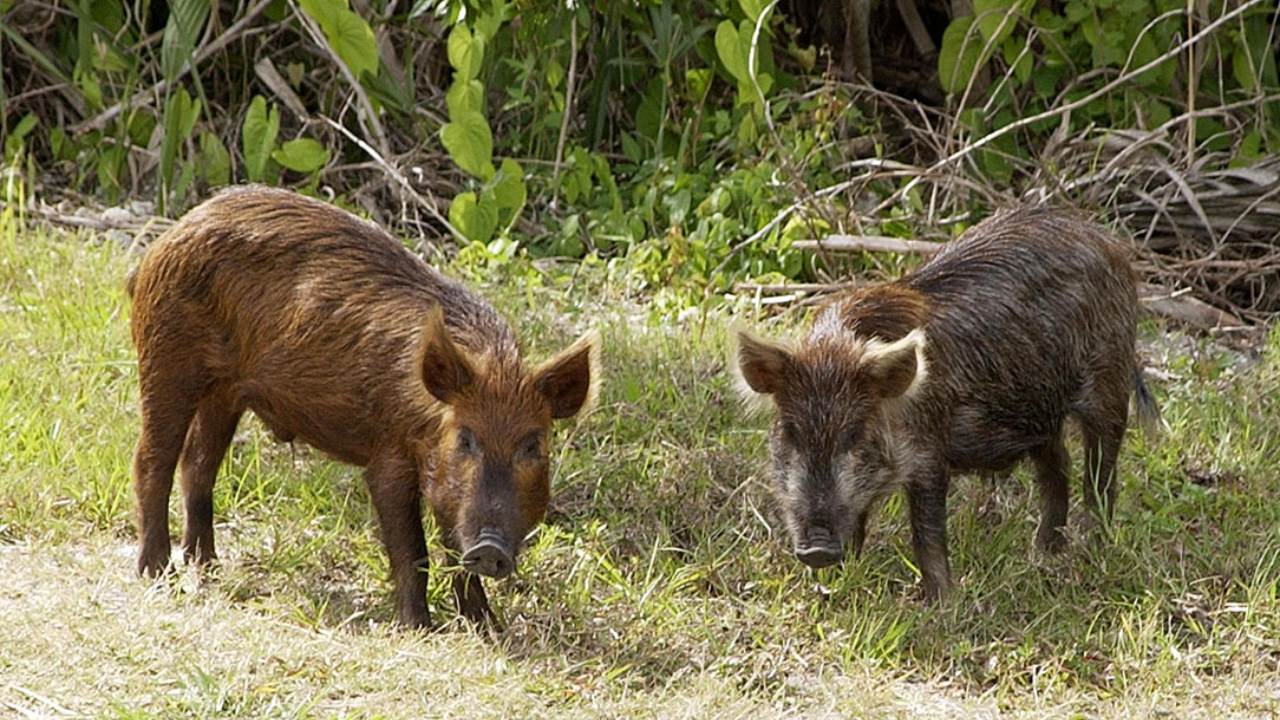
Domestic pigs first arrived on the island in the 1850s and escaped into the wild, creating a large population that damaged plants and attracted golden eagles. These eagles, which had been kept away by native bald eagles, began preying on the defenseless foxes, reducing their numbers by 95 percent by 2000.
The National Park Service and The Nature Conservancy worked together to remove the pigs using ground tracking, aerial support, and hunting dogs. Alongside pig removal, biologists relocated golden eagles to the mainland and reintroduced bald eagles to the Channel Islands. They also established a captive breeding program to protect the remaining foxes and maintain genetic diversity. As the pig population decreased and bald eagles returned, researchers released captive-bred foxes into the wild. The combined efforts led to a rapid recovery.
The Santa Cruz Island fox population grew to over 1,300, allowing federal authorities to remove the species from the Endangered Species List. This project demonstrates how removing invasive species can restore native wildlife and ecosystems on islands, becoming one of the fastest recoveries under the US Endangered Species Act.