US and Mexico revise Colorado River water sharing
Summary and headline written by AI from the source article. How we work
The United States and Mexico recently agreed to a new Colorado River sharing arrangement where Mexico will reduce its water intake. Officials from both countries signed the agreement, decreasing Mexico’s annual allocation by 250,000 acre-feet, roughly 17%, for two years, starting in 2027 and ending in 2028.
This builds on an 80-year history of binational water management formalized by the 1944 Water Treaty, which has been adjusted several times previously.
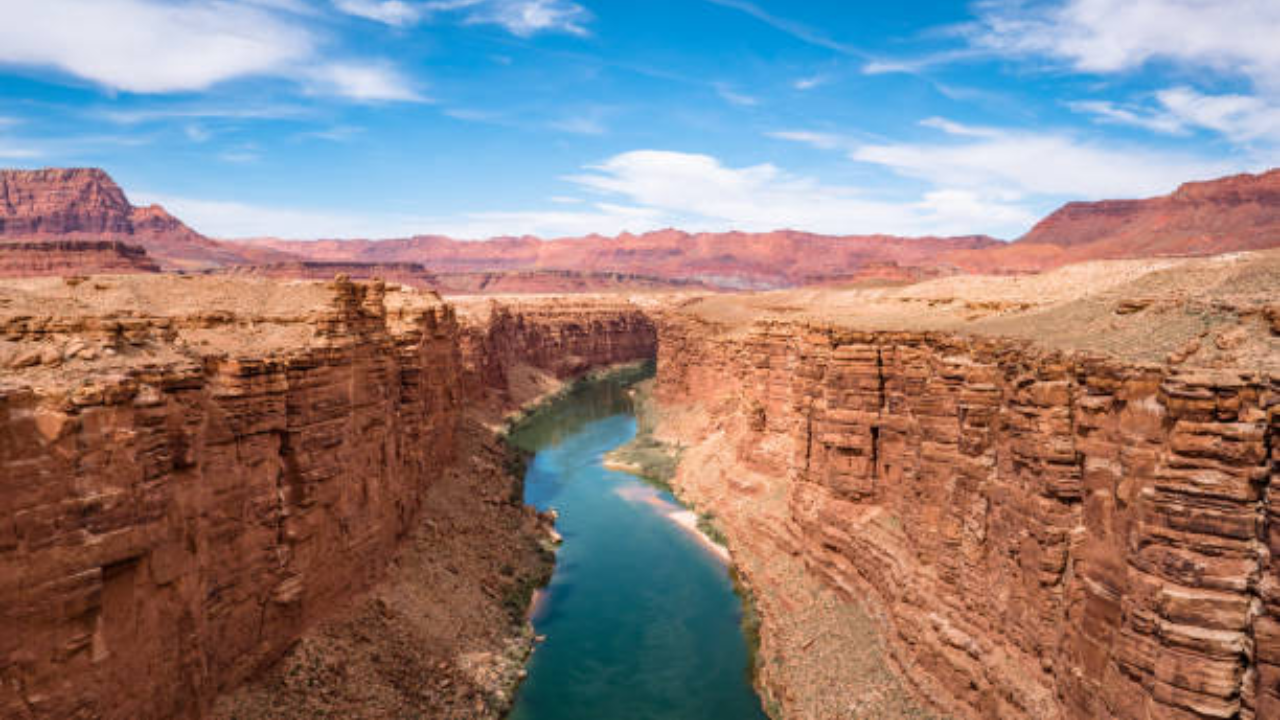
Experts view the deal as a positive example of cross-border cooperation, made possible by the International Boundary and Water Commission, an agency established in 1889 to manage shared waterways. The Colorado River, which once flowed to the Pacific Ocean, now rarely reaches the sea because of extensive water use by cities and farms. Despite the reduction, environmental groups working to restore the river delta, a region in both countries, believe they have secured enough water to continue their projects.
They have already planted over 250,000 trees across nearly 1,400 acres of habitat since 2012. Within the United States, states have struggled to agree on how to share the river’s dwindling water supply, prompting the federal government to create its own plan. Jennifer Pitt of the National Audubon Society noted the new agreement offers Mexican water users certainty during this period of internal dispute in the US.
Carlos de La Parra, an advisor to Mexico’s negotiators, emphasized the importance of in-person meetings and site visits in fostering successful negotiations.