Lalbaugcha Raja: Mumbai’s Ganpati rooted in community and hope
Summary and headline written by AI from the source article. How we work
In 1934, residents of Lalbaug, Mumbai, installed a Ganesha idol as thanks for the reopening of their local market after it closed in 1932, impacting vendors and the Koli fishing community.
The community had prayed for a solution to their livelihood concerns, and the new market fulfilled their wish, inspiring a religious promise, or navas, to Lord Ganesha.
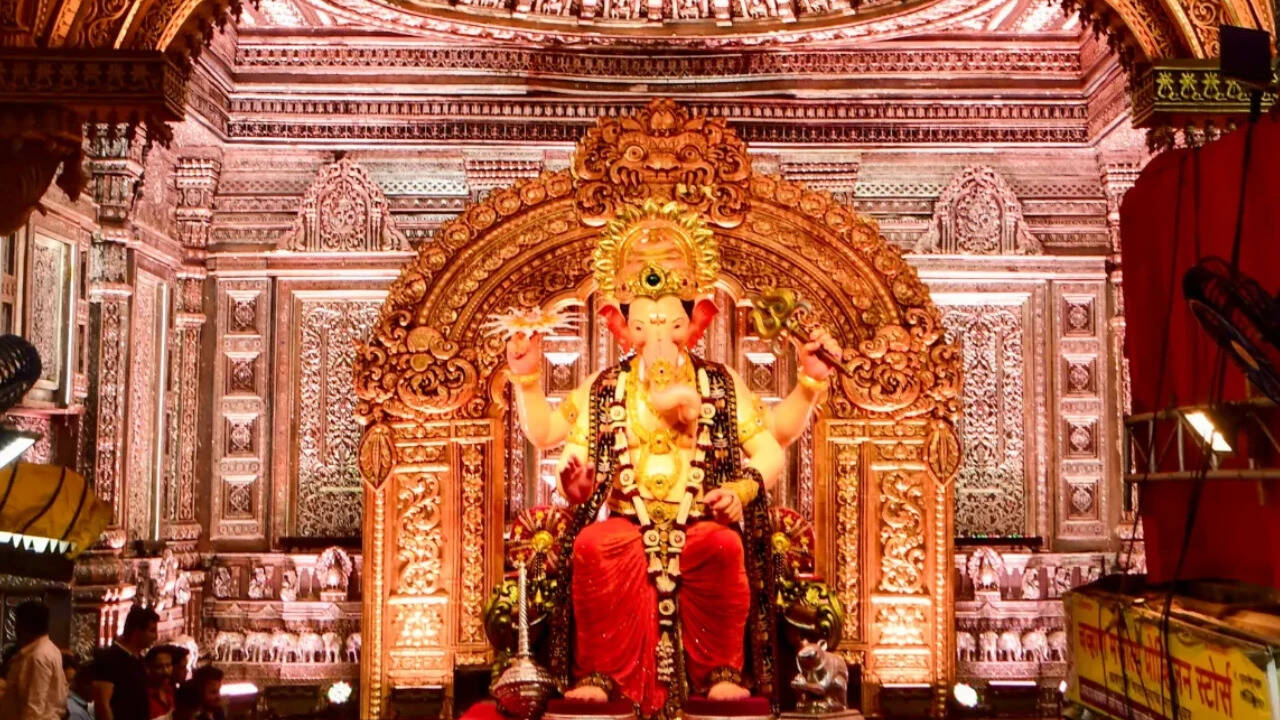
This vow led to the creation of the Lalbaugcha Raja Sarvajanik Ganeshotsav Mandal and an idol seen as capable of granting devotees’ wishes. The idol’s unique appearance is the result of a family tradition. Madhusudan Donduji Kambli began crafting the Lalbaugcha Raja in 1935, and his family has continued the work for three generations, even securing intellectual property protection for the design in 2011 to prevent unauthorized replicas.
Today, Lalbaugcha Raja attracts approximately 1.5 million devotees daily during the Ganesh Chaturthi festival, with many participating in practices like Mukh Darshan and Charan Sparsh. Despite a cancellation of traditional festivities in 2020 due to the COVID-19 pandemic, the mandal will celebrate its 93rd year in 2026, continuing a tradition born from a desire for stability and a sense of belonging.