Florida family preserves farmland in wildlife corridor
Summary and headline written by AI from the source article. How we work
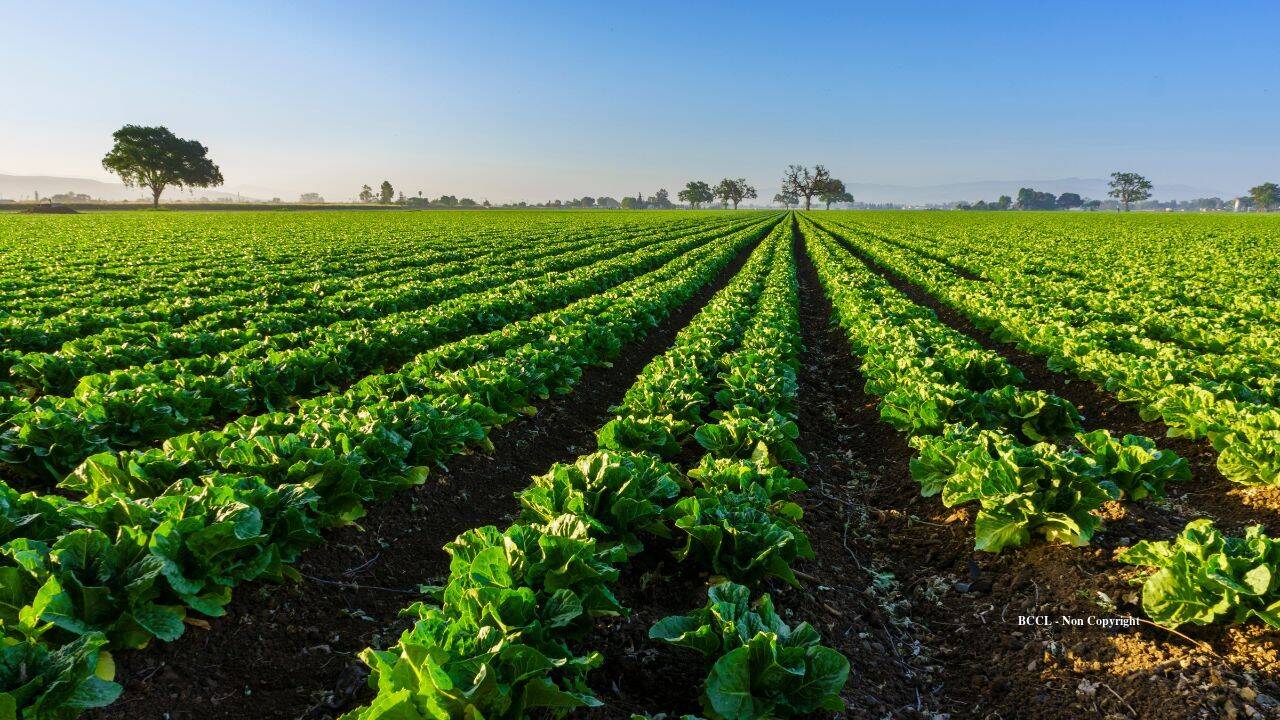
A family in Putnam County, Florida, placed an 816.46-acre conservation easement on their farm, preventing future development while allowing continued agricultural use.
The easement, valued at $2.665 million, secures forests, wetlands, and pastures within a 1.6 million-acre wildlife corridor important for animal movement and regional biodiversity. This corridor connects national forests, state parks, and other conserved lands throughout North and Central Florida, helping animals find resources and adapt to conditions like climate change.
The family chose the easement to ensure farming could continue without the threat of subdivision or building. The agreement allows them to maintain ownership and use the land for agriculture and timber, but restricts further development. Well-managed farmland contributes to conservation by providing habitat, storing carbon, and filtering water. Beyond wildlife benefits, the protected land helps maintain the health of the St. Johns River and its tributaries by absorbing rainfall and filtering pollutants.
The mature forests and wetlands also store carbon, mitigating climate change. This easement serves as a model for private landowners who want to conserve land while continuing traditional practices. Conservation groups and state agencies identified this corridor as a priority, and the family’s contribution strengthens its ability to support species like black bears and Florida panthers. Long-term monitoring will ensure the easement's terms are upheld and the land remains healthy for generations.