Small bushland patches provide vital Corridors for endangered cockatoos
Headline and summary by local AI
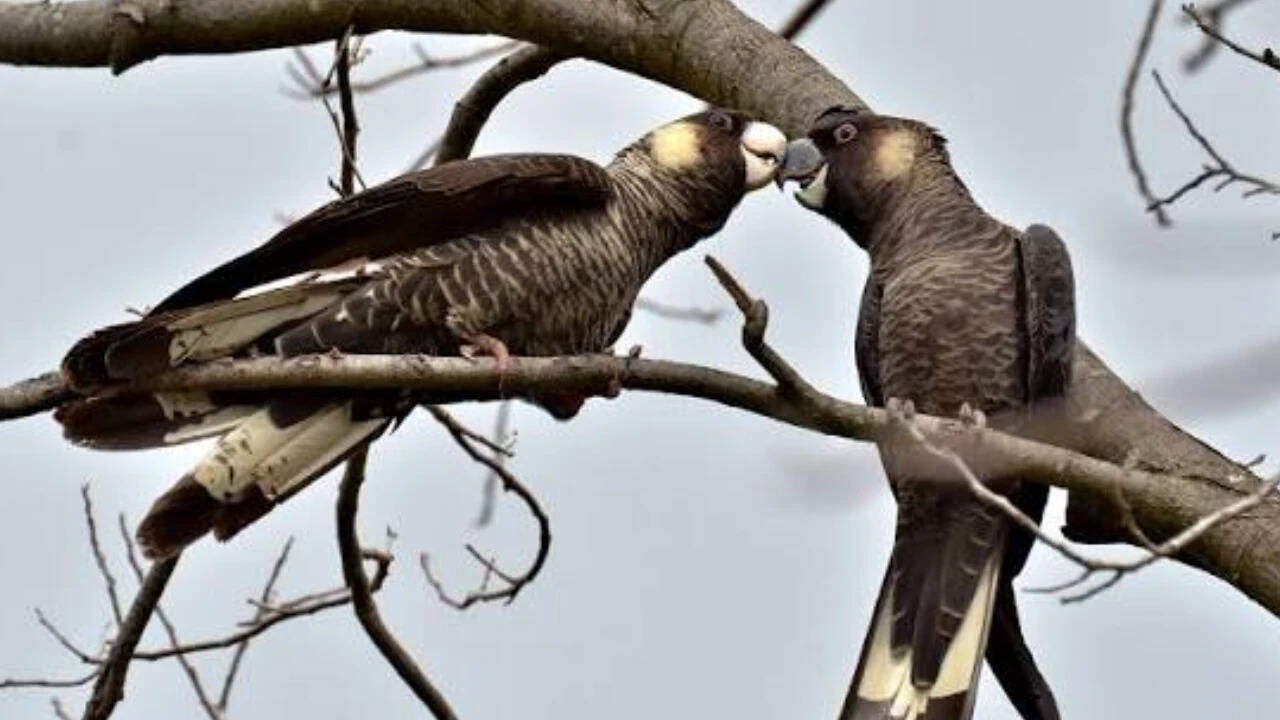
Researchers from Murdoch University's Harry Butler Institute tracked 18 wild Carnaby's cockatoos in the Wheatbelt region of Western Australia to study how habitat fragmentation affects the birds.
The team used GPS satellite tracking devices to monitor the birds during their breeding season. They observed how the cockatoos navigated landscapes that have been cleared for agriculture to find food and water.
The study found that birds in heavily cleared areas had to travel much further daily to find food compared to those in areas with connected vegetation. At Coomallo, where much of the bushland was cleared, the cockatoos traveled more than 37 kilometres each day. In contrast, the birds at Tenterden, where vegetation remained more connected, traveled just over 10 kilometres per day.
These longer journeys demand more energy and time, which could reduce the birds' ability to breed and raise chicks. The researchers discovered that even small, degraded patches of native vegetation served as stepping stones for the birds. These fragments allowed the cockatoos to move between larger habitats rather than crossing vast stretches of empty land. This finding suggests that conservationists should protect small remnants of bushland alongside large forests.
The study also noted that current federal guidelines may underestimate the importance of these small areas, as the birds frequently used patches smaller than the thresholds required for government regulation.
Selected and summarized by local AI How we work
Recovery: Ecosystems recovering, species returning, nature thriving or newly found, and protection already in force.


