Arizona’s Apache trout recovered from near extinction
Summary and headline written by AI from the source article. How we work
The Apache trout, native to eastern Arizona, has rebounded from near extinction thanks to a collaborative conservation effort led by the White Mountain Apache Tribe and supported by state and federal agencies.
The fish nearly disappeared due to habitat loss, overfishing, and competition with introduced trout species like brook and brown trout. In 1955, the White Mountain Apache Tribe initiated protections by closing reservation waters to fishing, a move that preserved crucial populations before federal laws were in place.
Conservation expanded over the decades to include habitat restoration, captive breeding programs, and removal of non-native fish. By 2022, assessments confirmed the establishment of 30 genetically pure, self-sustaining Apache trout populations, meeting the goals outlined in the recovery plan. In September 2024, the U.S. Fish and Wildlife Service (USFWS) removed the Apache trout from the federal list of threatened and endangered species, making it the first sport fish to achieve this status. However, conservation continues.
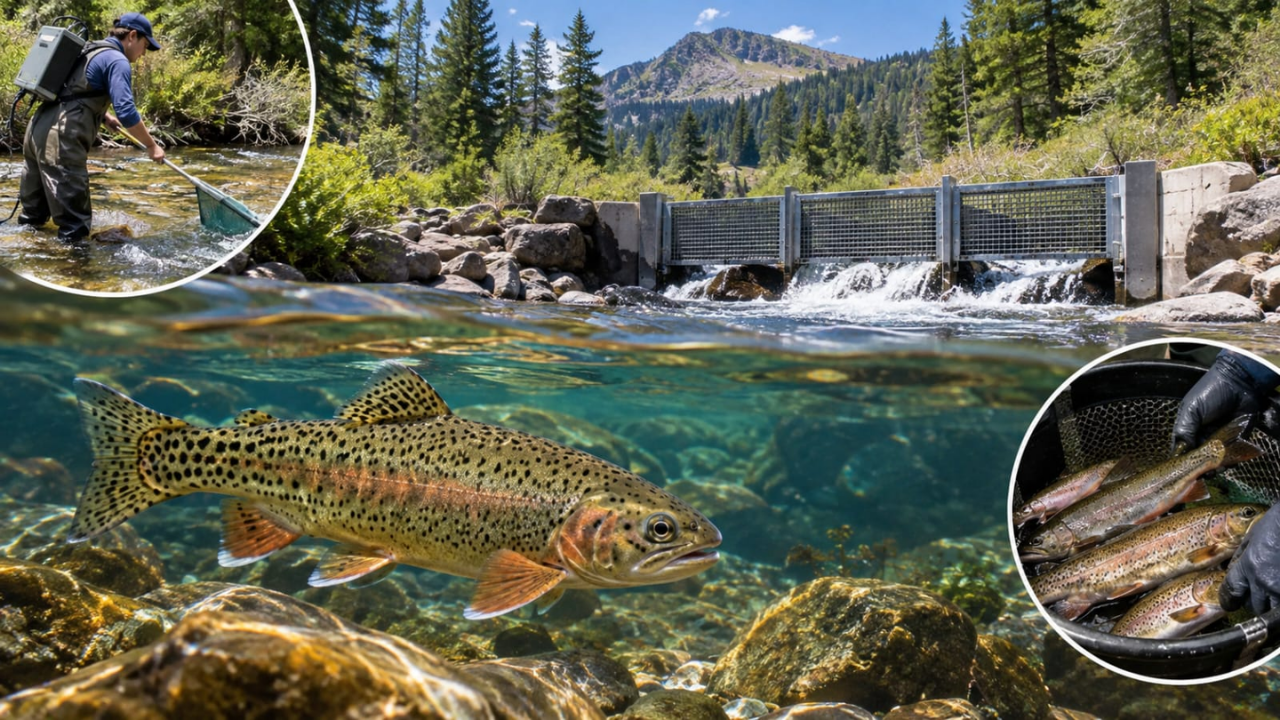
Recently, partners completed a new barrier on Big Bonito Creek, safeguarding nearly 22 miles of stream habitat from invasive trout. Teams also use electrofishing and environmental DNA sampling to locate and remove remaining non-native fish, and are planning projects to reconnect fragmented habitats while maintaining essential barriers. USFWS intends to monitor the trout for at least ten years after delisting to ensure its continued success.