India evolves its musical heritage on postage stamps
Headline and summary by local AI
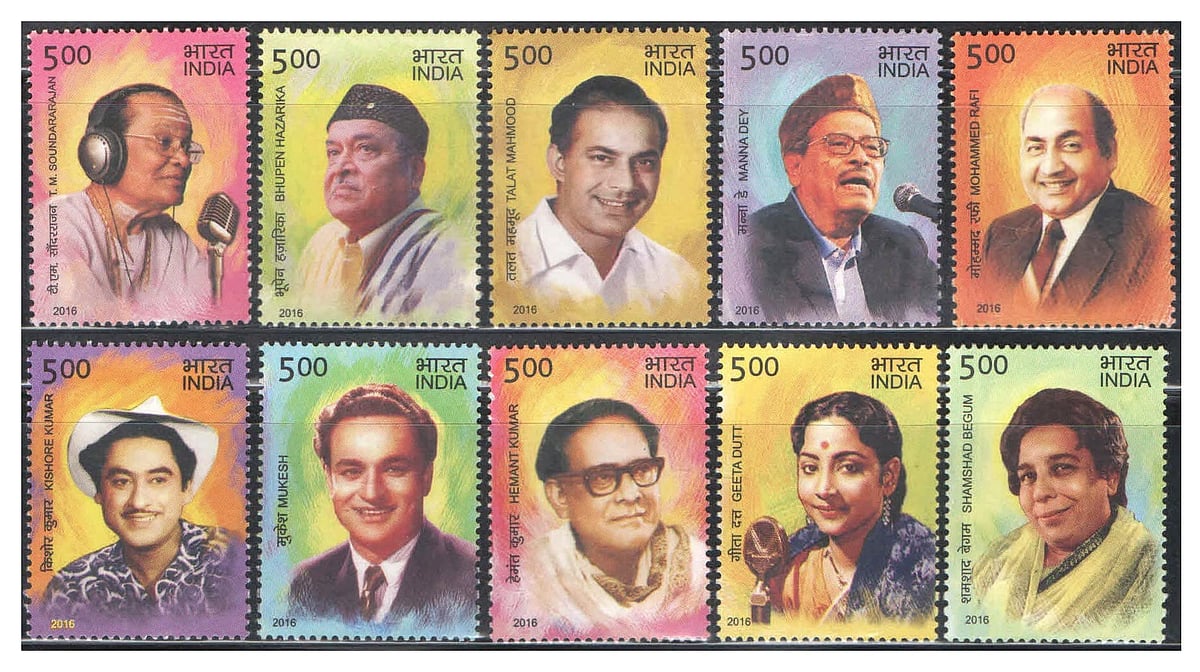
The Indian postal department has shifted its approach to honoring musicians on commemorative stamps, moving from a strict focus on classical traditions to a more inclusive representation of the country's diverse musical landscape.
In the decades following independence, the Indian government prioritized classical arts to establish a national identity. During the 1950s and 1960s, the state viewed classical music as a spiritual and civilisational pursuit while treating popular film music with suspicion.
This cultural hierarchy influenced the Department of Posts, which initially issued stamps for historical figures and classical composers like Tyagaraja and Purandara Dasa rather than contemporary performers. The 1970s and 1980s saw a gradual expansion as the department began to honor more Hindustani and Carnatic classical musicians. However, the postal department maintained a policy of generally not issuing stamps for living individuals, which delayed recognition for many popular playback singers during their peak careers.
While the department eventually included more diverse figures and instruments, it notably excluded many icons of Indian cinema from its stamp series. By the new millennium, the department began to acknowledge a wider musical canvas, including folk traditions and regional instruments. A 2020 issue featured the instruments of wandering minstrels, reflecting a shift toward recognizing folk communities.
Despite this progress, the department has yet to issue a dedicated commemorative stamp for legendary singers Lata Mangeshkar and Asha Bhosle, even though other countries have honored them on their own postage.
Selected and summarized by local AI How we work