Hindus in Nepal and India celebrate Chhath festival to worship the sun
Headline and summary by local AI
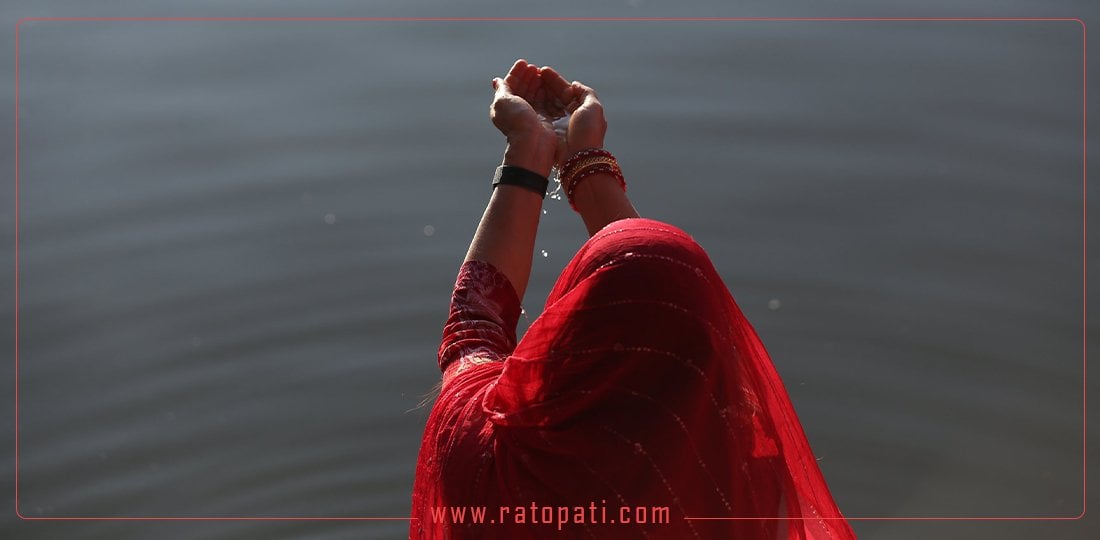
Hindus in Nepal and India are celebrating the Chhath festival, a four-day ritual dedicated to worshipping the Sun God.
This festival follows the Tihar festival and emphasizes themes of non-violence, altruism, and goodwill. While the tradition originated primarily among people in the Terai and Madhesh regions, residents in the Himalayan and hilly areas of Nepal now participate in the celebrations with equal devotion.
The festival begins with the Nahay-Khay ritual on Kartik Shukla Chaturthi, where devotees bathe and eat simple, pure food. On the second day, known as Kharna, participants observe a fast and bathe in sacred reservoirs before preparing kheer, a sweet dish made from milk, rice, and jaggery. The third day, Shashti, involves the Sandhya Arghya, where devotees stand waist-deep in water to offer prayers to the setting sun while staying awake all night to sing devotional songs.
The festival concludes on Saptami with Usha Arghya, an offering to the rising sun. After the final prayers, devotees distribute prasad to relatives and other participants. The rituals involve using items like sugarcane, banana plants, turmeric, and ginger. Believers hold that these prayers bring prosperity, peace, and well-being to their families. The festival draws on various mythological stories, including the worship performed by Lord Rama and Sita, Sati Anusuya, and Draupadi.
Beyond religious tradition, the festival links the sun to human health and natural energy. Devotees view the sun as a source of life and believe that morning sunbaths and water offerings can provide relief from diseases.
Selected and summarized by local AI How we work
Belonging: Community bonds, rootedness, and living cultural practices and heritage.