Nepal’s “Gen Z movement” marks one year of calls for good governance
Summary and headline written by AI from the source article. How we work
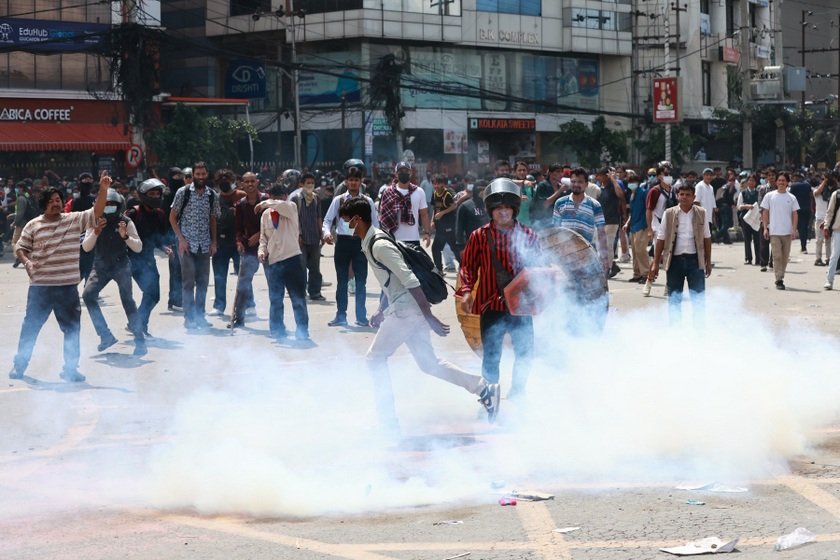
In Kathmandu, Nepal, young people took to the streets one year ago, initially protesting restrictions on social media but expanding their demands to include broader issues of governance and opportunity.
The protests, known as the Gen Z movement, stemmed from frustrations with political instability, unemployment, corruption, and unequal access to services. The demonstrators, largely from the digital generation, saw social media as crucial for information, expression, and economic opportunity, and viewed the restrictions as a violation of their rights.
The movement grew beyond social media freedom to encompass demands for accountability, transparency, and a greater role for young people in governing. Long-standing issues like a lack of employment opportunities, bureaucratic hurdles for entrepreneurs, and a desire for a merit-based system fueled the protestors’ discontent. They wanted a government responsive to their needs and a system where ability, not connections, determined success.
In the year since the demonstrations, Nepal’s government, led by Prime Minister Balendra Shah, has prioritized good governance and administrative reform. The government reduced the number of federal ministries from 22 to 18, anticipating savings of approximately 20 billion Nepali rupees. It also launched a revamped “Citizen App” to provide streamlined access to public services like citizenship records, passports, and social security information.
The government is also working to reduce political interference in public institutions and ensure appointments are based on qualification.