Can Nepal legally protect its cultural heritage?
Summary and headline written by AI from the source article. How we work
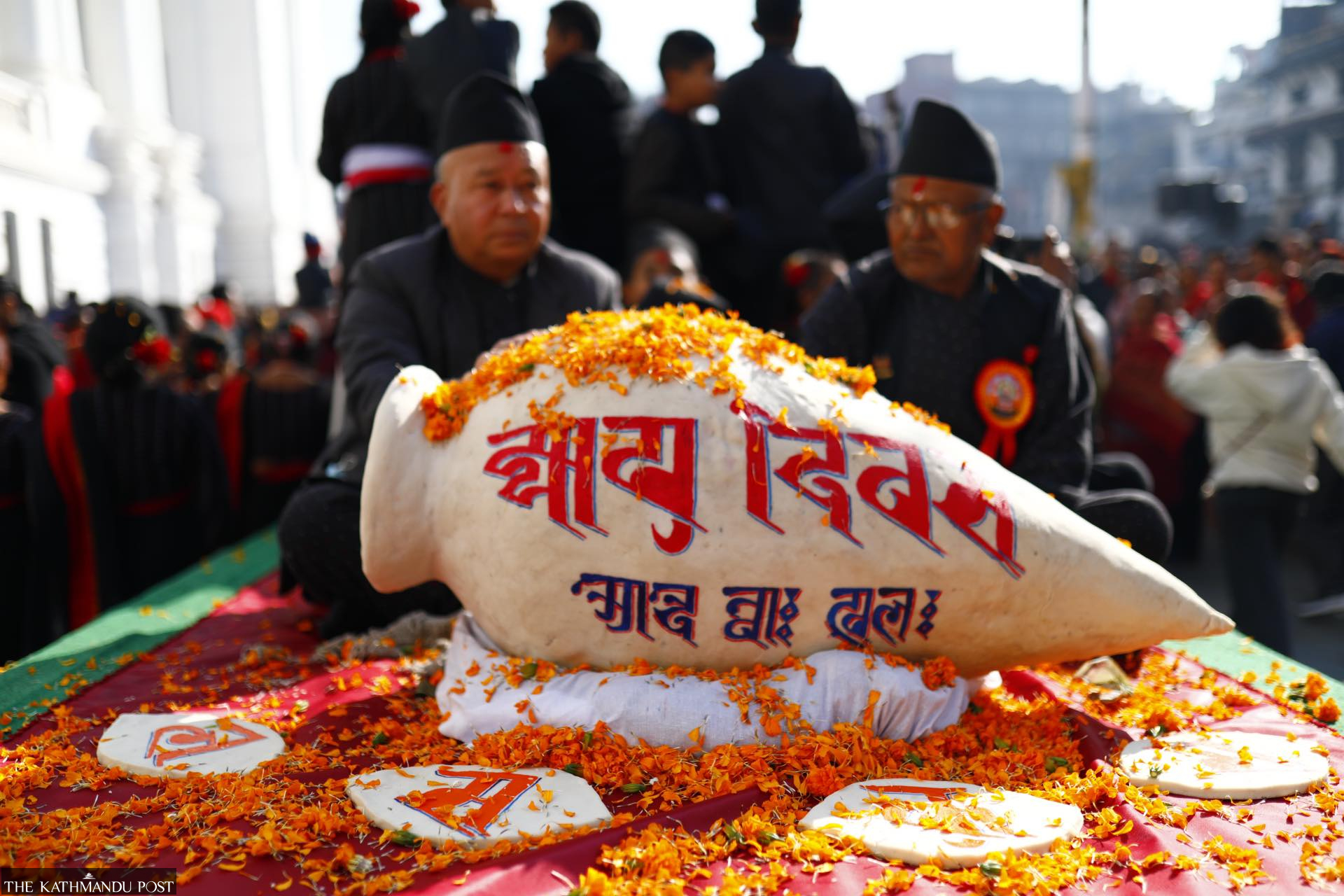
In Nepal, Newa families prepare Yomari, a fish-shaped dumpling tied to the harvest season and their cultural identity. However, Nepal currently lacks the legal framework to prevent foreign companies from producing and selling Yomari as their own.
The country recognizes 59 indigenous nationalities, but it has not systematically documented the unique products and traditions of these communities.
Researchers have identified over 100 agricultural products and 87 potential products for international protection through Geographical Indications (GI), a type of intellectual property that links products to their place of origin. Nepal could benefit from a GI system like the one India uses to protect products like Rasgulla, where disputes over origin were resolved through legal recognition of regional producers.
Other Nepali products like Juju Dhau yogurt, Jumli Marshi rice, Palpali Dhaka fabric, Khukuri knives, and Thangka paintings also have potential for GI status. Unlike patents or copyrights, GIs belong to entire communities and protect knowledge passed down through generations. The Nepalese government is considering the Industrial Property Bill, which would formally recognize GIs as a form of intellectual property. However, officials must begin documenting traditional knowledge, mapping geographic boundaries, and defining product standards to prepare for the registration process.
This work requires collaboration between government ministries, NGOs, and local governments to ensure Nepal can legally protect its cultural and agricultural heritage.