Nepal reinstalls stolen 12th-century statue at original shrine
Headline and summary by local AI
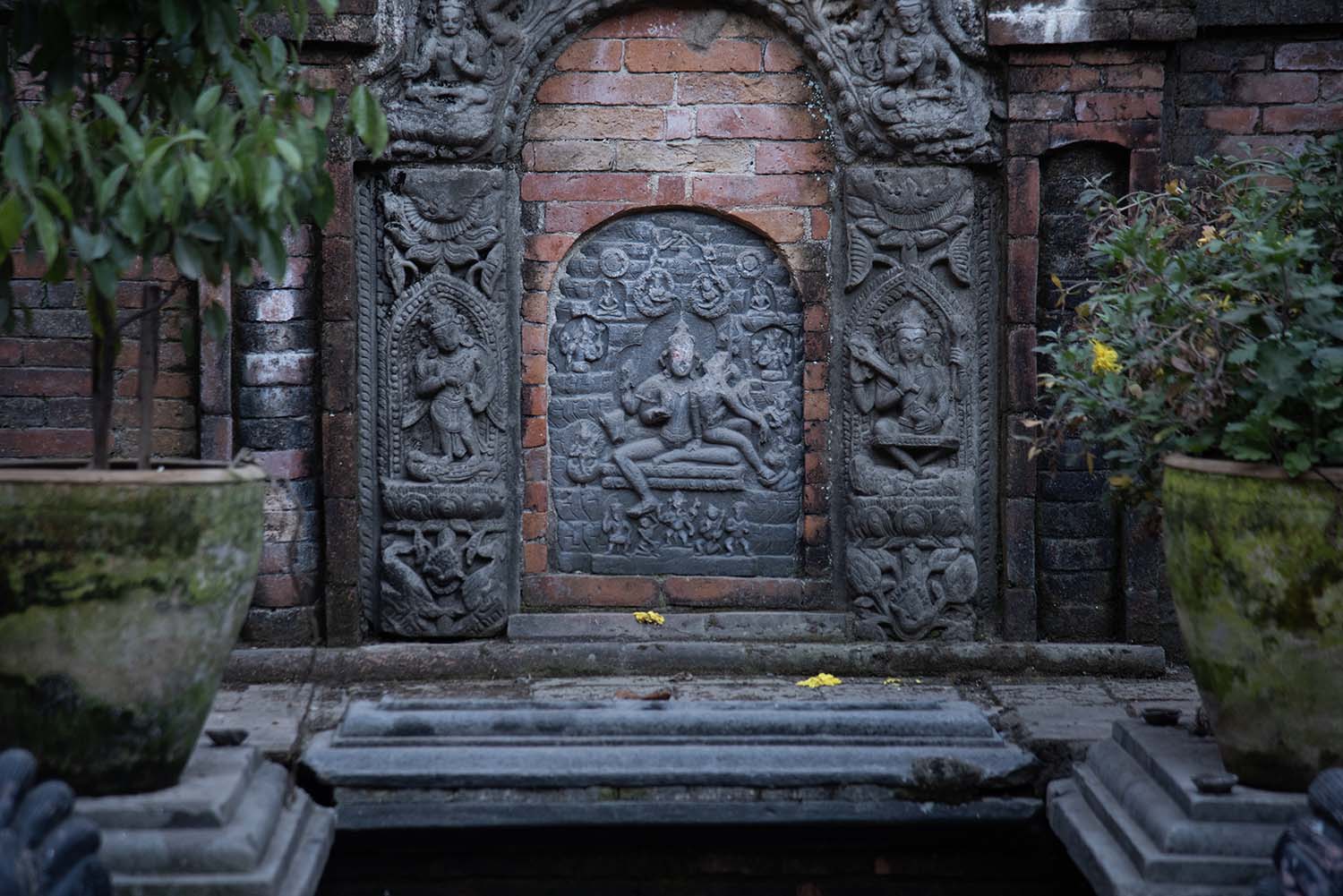
Nepal successfully reinstalled a 12th-century Uma-Maheshvara stele at Tangal Hiti, a stone water spout in Patan.
The statue, which depicts the Hindu deities Shiva and Parvati, was stolen from its original location in the 1980s. The Metropolitan Museum of Art in New York received the piece as a donation in 1983 and returned it to Nepal in 2018. After four years of preparation, the community was able to place the artifact back in its original shrine in 2022.
The return of the Tangal Hiti statue serves as a model for cultural restitution. While some other returned artifacts remain in museums, this piece returned to the specific site where generations of people worshipped it. The Uma-Maheshvara figures are deeply significant to Nepali culture, with artistic styles evolving from the Lichhavi period to the Malla period. These sculptures often represent cosmic balance, featuring intricate iconography like the bull Nandi and the river Ganga.
Many similar sculptures have disappeared from Nepal's valleys since the 1960s. Some remain in international collections, such as a piece at the Musée Guimet in Paris or others at the British Museum and Denver Art Museum. Advocates for the return of these items argue that a deity’s meaning is tied to the daily rituals of the community rather than a museum gallery.
The Department of Archaeology and groups like Lost Arts of Nepal continue to track missing statues to facilitate their return to active shrines.
Selected and summarized by local AI How we work